



Overview: Better Sleep Starts With Better Information
In this article, we’ll look at:
- Why catching up on sleep isn’t as simple as sleeping late on the weekend
- How alcohol can interfere with the quality of your sleep
- Whether counting sheep or drinking milk really helps
- What to know before relying on melatonin
- Which simple, natural sleep aids may help you wind down
- Where microcurrent and nervous-system support may fit
A good night’s sleep can make a remarkable difference in how you feel the next day, but getting restorative sleep isn’t always as simple as going to bed earlier.
Pain, stress, nighttime habits, alcohol, medications, health conditions, and even some of the things we think are helping us sleep can affect the quality of our rest.
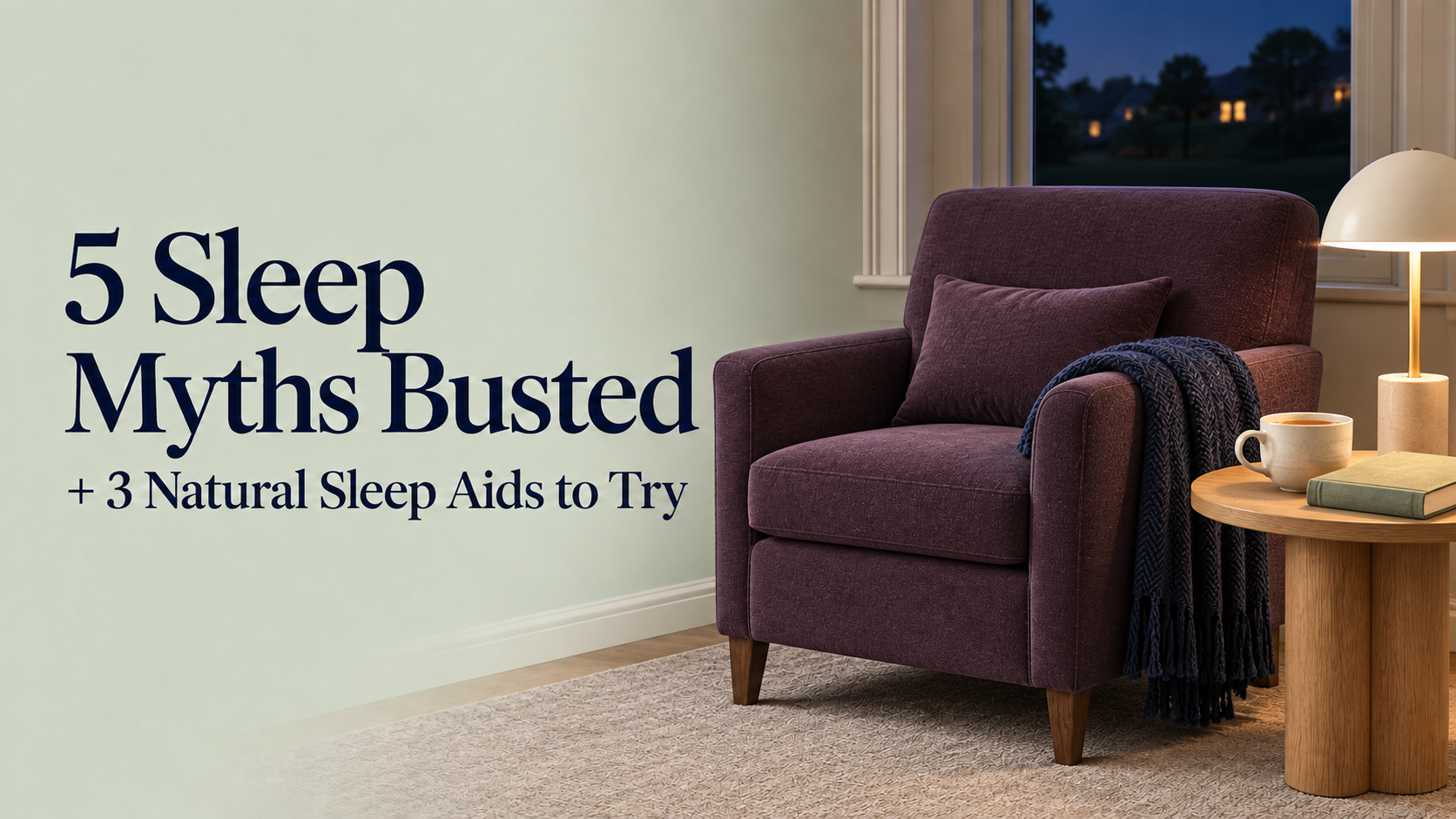
That’s why we’re revisiting five common sleep myths and sharing three simple, natural approaches that may help you build a more restful bedtime routine.
And if chronic pain is part of what keeps you awake, our guide to sleep and chronic pain explains why pain and poor sleep can begin reinforcing each other.
5 Common Sleep Myths Busted
Sleep advice often gets passed down through families and repeated for years. Count sheep. Drink warm milk. Have a glass of wine. Catch up on the weekend.
Some of those traditions may feel comforting, but a familiar sleep tip isn’t necessarily the same thing as an effective solution for an ongoing sleep problem.
Here are five common myths worth reconsidering.
1. You Can Catch Up on All Your Lost Sleep Over the Weekend
After several late nights, sleeping longer on Saturday or Sunday can certainly feel good, and additional sleep may help you recover from some short-term sleep loss.
What it can’t necessarily do is make a regular pattern of inadequate sleep irrelevant.
Your body generally does better with enough sleep on a consistent basis rather than repeatedly cutting sleep short during the week and depending on the weekend to make everything right again.
That doesn’t mean you shouldn’t sleep longer when you’re genuinely tired. It means that if you’re routinely exhausted by Friday, it may be worth looking at what’s preventing you from getting enough restorative sleep throughout the week.
2. Alcohol Helps You Sleep Better
Alcohol can make you feel sleepy, which is one reason a nightcap may seem like an effective sleep aid.
But falling asleep faster isn’t necessarily the same thing as sleeping well.
Alcohol can disrupt sleep later in the night and has been associated with poorer sleep quality and sleep-related breathing problems. If you’ve noticed that you fall asleep easily after drinking but wake during the night or feel poorly rested the next morning, alcohol may be worth considering as part of the pattern.
3. Counting Sheep Will Put You to Sleep
Counting sheep is probably one of the most famous pieces of sleep advice ever given. Unfortunately, repeatedly picturing sheep jumping over a fence isn’t a guaranteed route to dreamland.
An Oxford University study comparing different mental strategies for people with insomnia found that certain relaxing imagery helped people fall asleep more than simply counting or distracting their minds.
The larger lesson isn’t that you need to replace sheep with one perfect mental picture. It’s that giving your mind something calming to focus on may be more useful than turning bedtime into another task you’re trying hard to accomplish.
4. A Glass of Warm Milk Is a Cure for Insomnia
There’s something undeniably comforting about a warm drink before bed, and if warm milk is part of a relaxing bedtime ritual you enjoy, you don’t necessarily need to give it up.
But a glass of milk isn’t a proven cure for insomnia.
And if dairy doesn’t agree with you, drinking it before bed could have the opposite effect by adding digestive discomfort to a night when you’re already trying to settle down.
Sometimes the ritual is more useful than the supposed “miracle” ingredient.
5. Melatonin Is a Miracle Cure for Sleep
Melatonin is a hormone that helps regulate the body’s sleep-wake cycle, and supplements may help in certain situations. But melatonin isn’t a universal solution for every type of sleep problem.
Timing, dose, medications, health conditions, and the reason you’re having trouble sleeping all matter.
If you regularly struggle to fall asleep, wake repeatedly throughout the night, or depend on a sleep aid without understanding why sleep has become difficult, talk with your healthcare provider. Persistent sleep problems may deserve a closer look rather than another supplement.
Our 3 Unexpected Reasons Why You Can’t Sleep explores several other factors that may be interfering with restorative rest.
3 Natural Sleep Aids Worth Trying
Once we stop looking for one miracle sleep solution, the options become much more practical.
A natural sleep aid doesn’t have to knock you out. Sometimes the goal is simply to make the transition from a busy day to bedtime easier, create a more consistent routine, or address one of the factors making it difficult for your body to settle down.
Here are three of our favorites.
1. Create a Bedtime Tea Ritual
There is something naturally comforting about making a warm cup of tea at the end of the day.
The ritual itself can become a signal that the busy part of the evening is ending: boil the water, put away the phone, sit somewhere comfortable, and give yourself a few minutes without another task demanding your attention.
Some herbal teas traditionally used around bedtime contain ingredients such as chamomile, lavender, valerian, or lemon balm. Different herbs have different effects and aren’t appropriate for everyone, so check with your healthcare provider or pharmacist if you take medications, have a medical condition, are pregnant, or aren’t sure whether a particular herb is appropriate for you.
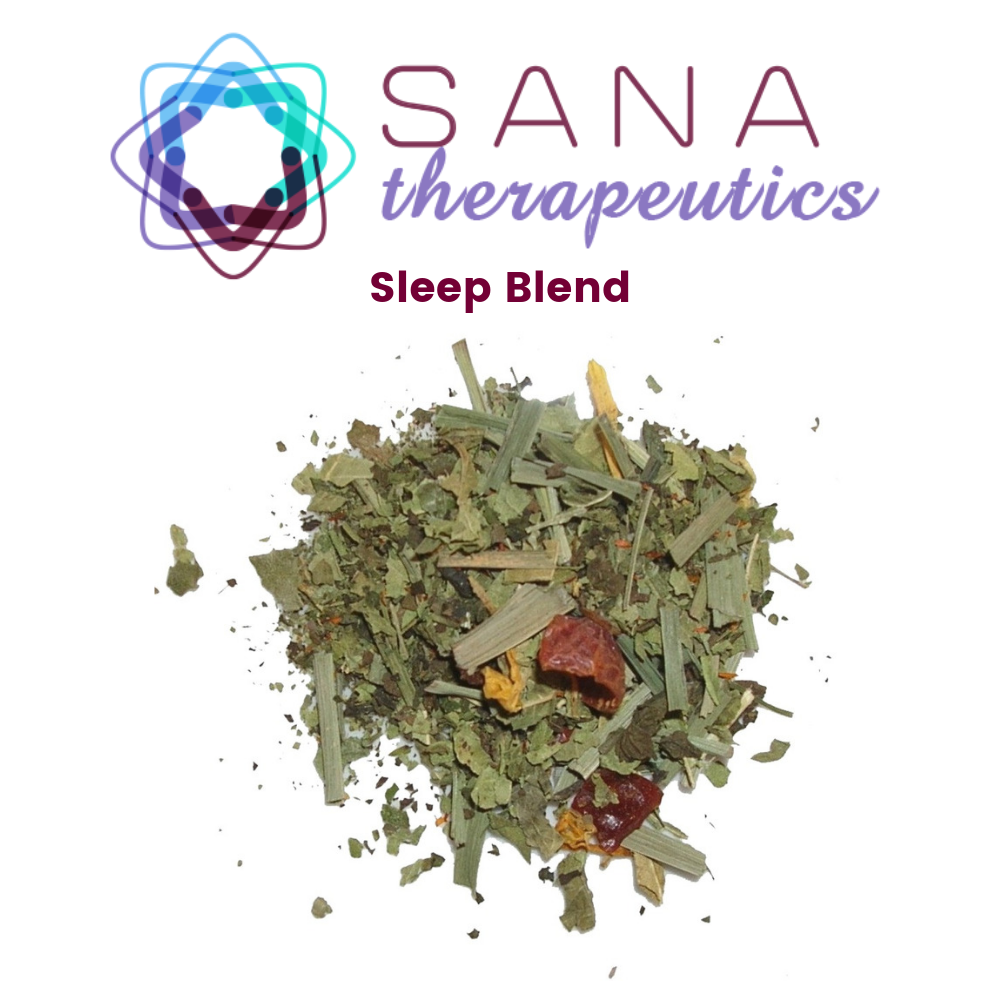
If you’d rather not create your own blend, you can explore the Sana Therapeutics Sleep Tea at The Sana Shop.
Want to make your own? Can’t Sleep? Try Our Top 3 Holiday Sleep Tea Recipes, which offers three blends to experiment with at home.
2. Pick Up a Good Book

Remember how relaxing it could feel to have someone read you a bedtime story as a child?
Reading can still provide a useful transition between the activity of the day and sleep. Instead of answering one more email, scrolling through social media, or checking tomorrow’s schedule, a book gives your attention somewhere else to go.
Choose something you genuinely enjoy rather than something you feel obligated to finish. Keep the lighting comfortable, settle into a position that doesn’t aggravate pain, and allow reading to become part of your wind-down routine rather than another item on your checklist.
The goal isn’t to force yourself to fall asleep. It’s to give your body and mind a chance to shift out of the pace of the day.
3. Consider Whether Pain or Nervous-System Strain Is Part of the Problem
Sometimes the problem isn’t your bedtime routine at all.
You may be exhausted and genuinely want to sleep, but an aching hip keeps waking you when you roll over. Neuropathy makes the bedding uncomfortable against your feet. Stress has your mind racing. Or after several difficult nights, you’ve started going to bed already wondering whether tonight will be another one.
In those situations, addressing what is interfering with sleep may be more useful than simply adding another sleep aid.
Within Pain Free For Life, microcurrent may be considered as part of a broader approach when pain or prolonged nervous-system strain is contributing to the problem. The appropriate treatment depends on what you’re experiencing rather than applying one sleep protocol to everyone.
Vagus Nerve Stimulation is one nervous-system-focused approach used within Pain Free For Life protocols.
Where Conductive Ear Clips Come In
If you’ve seen someone using microcurrent with small clips attached to the ears, those are Conductive Ear Clips. They connect to a compatible Avazzia Life microcurrent device and allow low-level current to be delivered through contact points on the ears during certain protocols.
The clips aren’t a standalone sleep treatment. They’re conductive accessories used with the microcurrent device, and the appropriate settings, placement, and treatment protocol depend on the individual and the device being used.
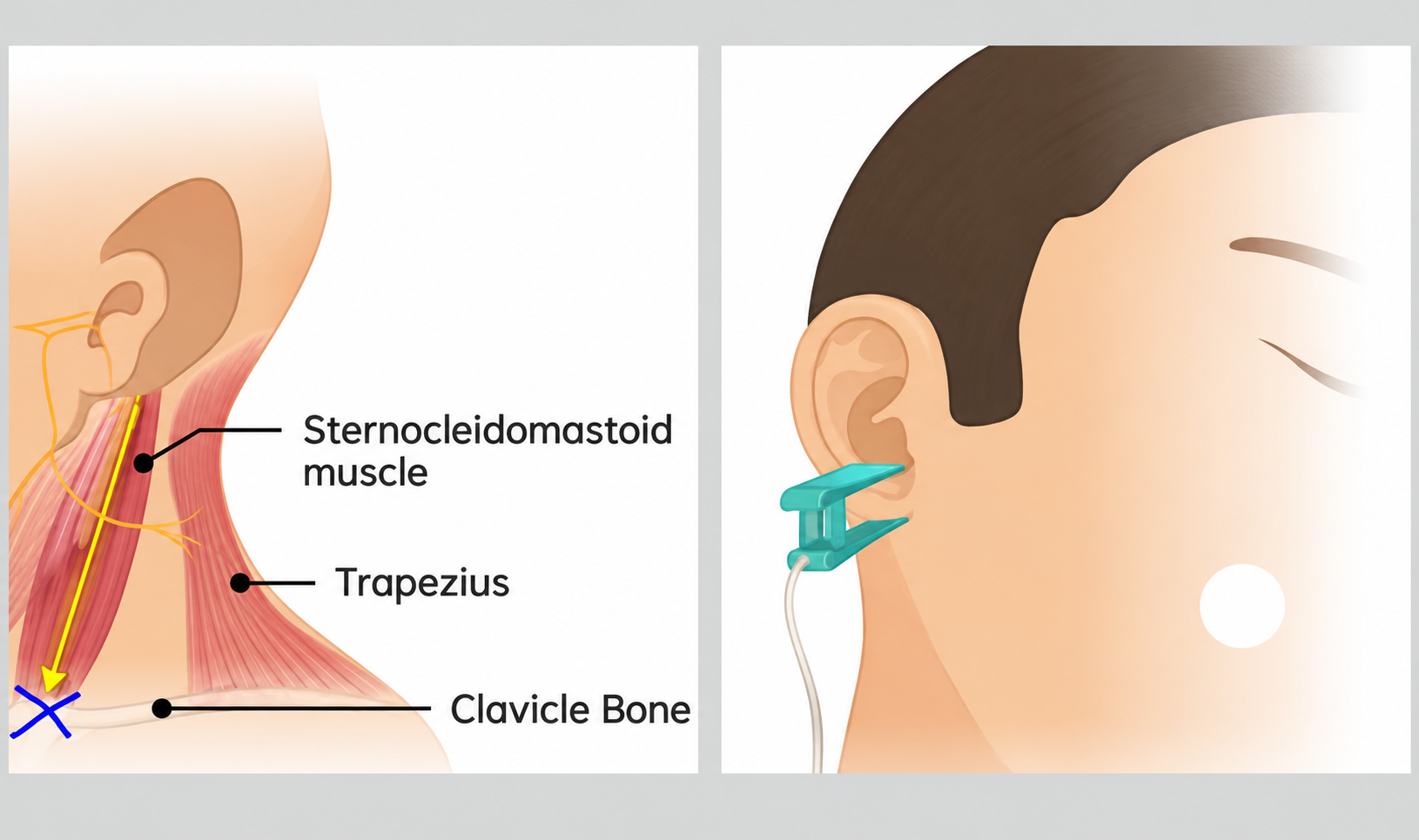
You can learn more about Conductive Ear Clips at The Sana Shop.
If you’re completely new to the technology, our plain-language guide to microcurrent therapy is a good place to start.
Already familiar with microcurrent but wondering which device offers the treatments you’re interested in? Our Pain Free For Life Avazzia Life Device Guide compares the current Avazzia Life options and their features.
For more practical strategies for improving sleep, see 3 Surprising Effects of Sleep Deprivation and 4 Natural Fixes.
Better Sleep Starts With the Bigger Picture
No single tea, supplement, bedtime trick, or device guarantees a perfect night’s sleep. What keeps one person awake may be completely different from what disrupts sleep for someone else.
Pay attention to the pattern. Is pain waking you? Do you fall asleep easily but wake up throughout the night? Has stress followed you into bed? Could alcohol, caffeine, medication, hot flashes, breathing problems, or another health concern be interfering with restorative rest?
Simple bedtime habits can help, but persistent sleep problems deserve attention—especially when they’re affecting your energy, health, or ability to function during the day.
And if chronic pain is part of the picture, remember that pain and sleep can influence each other in both directions. Improving one may make it easier to work on the other.
We’re Here to Help
Have questions about microcurrent therapy, nervous-system support, sleep, or choosing an Avazzia Life device? Our team is here to help and will respond within 48 business hours.
Call: 1-888-758-0851 in North America or 415-688-2045 internationally
Email: support@painfreeforlife.com
Text: +1 (415) 688-2045
For additional education on sleep, chronic pain, microcurrent therapy, and whole-body wellness, visit the Pain Free Living Lab.
You can also visit The Sana Shop to explore Avazzia Life microcurrent devices, accessories, teas, and other wellness tools.
Sources Cited
Ebrahim IO, et al. Alcohol and Sleep I: Effects on Normal Sleep. Alcoholism: Clinical and Experimental Research.
https://pubmed.ncbi.nlm.nih.gov/23347102/
Kolla BP, et al. The Association Between Alcohol Consumption and Sleep Disorders Among Older People in the General Population.
https://www.ncbi.nlm.nih.gov/pmc/articles/PMC5840512/
Harvard Health Publishing. Melatonin: What You Need to Know.
https://www.health.harvard.edu/staying-healthy/melatonin-what-you-need-to-know
National Heart, Lung, and Blood Institute. Healthy Sleep Habits.
https://www.nhlbi.nih.gov/health/sleep-deprivation/healthy-sleep-habits