




| Overview: What Are We Really Trying to Protect as We Age?
Healthy aging often becomes real in ordinary moments: climbing the stairs, working in the garden, sleeping well enough to enjoy tomorrow, or trusting your body to take you where you want to go. When chronic pain, arthritis, fatigue, poor sleep, or declining strength begin to narrow those moments, the goal is not to turn back the clock. It is to protect the mobility, energy, clarity, resilience, and independence that help you keep participating in your own life. At Pain Free For Life, microcurrent can be one part of a broader plan that also includes movement, sleep, nutrition, stress reduction, medical care, and personalized guidance. In this article, we’ll explore:
Along the way, we’ll share Swamini B.’s experience of rebuilding mobility, improving sleep, and returning to creative work after years of chronic pain. Her story offers one real-life example of what healthy aging can look like when the goal is not simply more years, but more life within them. |
What Healthy Aging Really Means
Healthy aging is sometimes reduced to longevity, appearance, or the absence of disease. A more useful way to think about it is in terms of function.
The World Health Organization describes healthy aging in terms of maintaining the functional ability that supports well-being later in life. That includes being mobile, meeting everyday needs, making decisions, maintaining relationships, continuing to learn, and participating in the parts of life that matter to you. Healthy aging does not require being completely free of illness.
That distinction matters for anyone living with arthritis, chronic pain, autoimmune disease, an old injury, or another long-term health condition.
A diagnosis may be part of your life without having to determine every part of how you live it.
Our client Swamini’s experience is just one part of her story. You can read more of her story on pages 42–44 of the February 2026 issue of Pain Free Living Magazine, where she shares more about the changes that helped her return to walking regularly, reconnect with creative projects she had set aside, and reclaim more independence in her daily life.
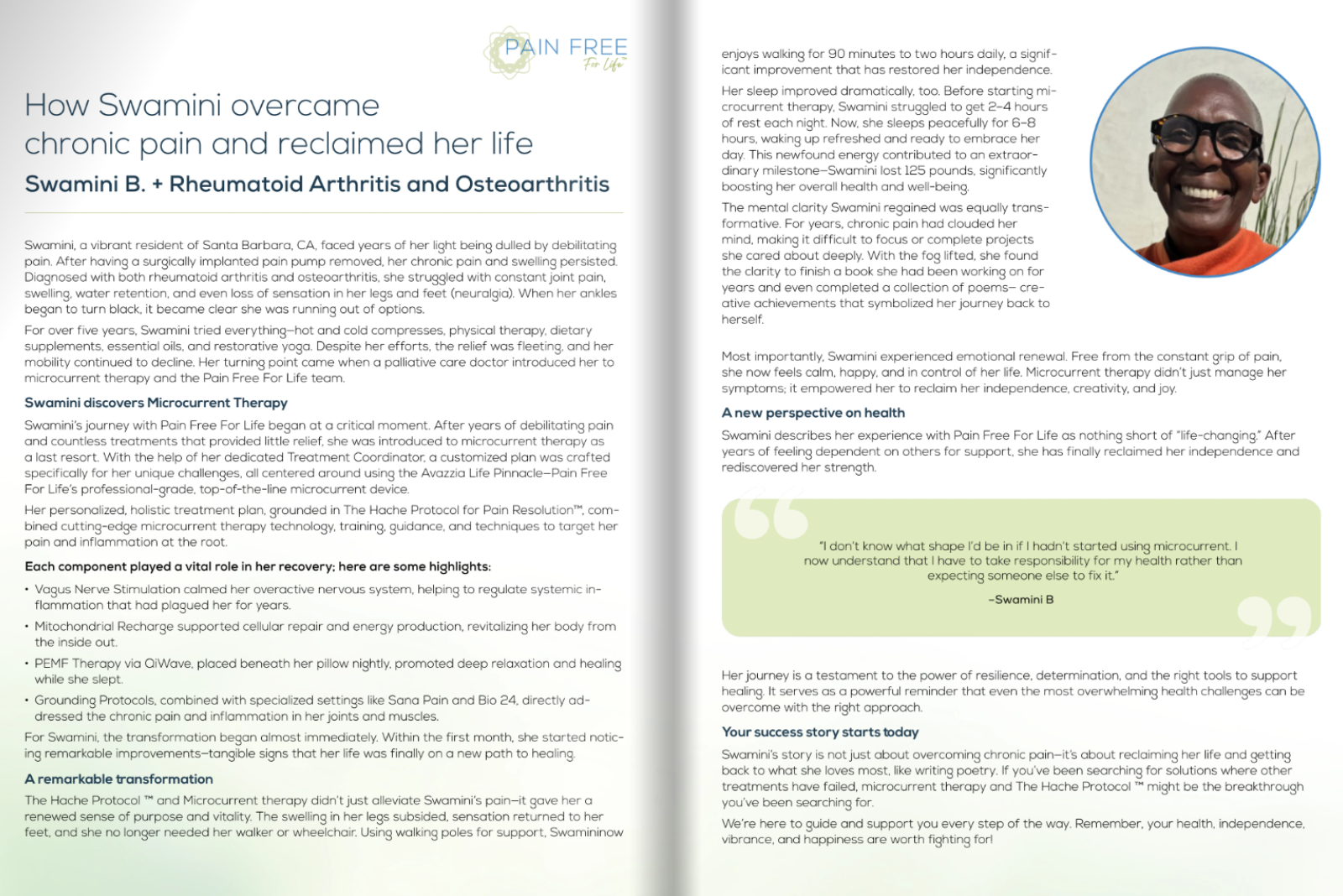
(READ SWAMINI’S FULL STORY IN PAIN FREE LIVING MAGAZINE)
Want more stories and practical guidance like this? Subscribe to Pain Free Living Magazine for new issues featuring fresh stories, trusted guidance, and continued support—always delivered free right to your inbox.
Mobility Is a Form of Independence
Mobility affects so much more than our ability to exercise. It determines whether you can walk through a grocery store, get yourself to an appointment, climb stairs, prepare food, visit someone you love, work in the garden, or simply move through your own home without needing as much assistance.
Maintaining that capacity becomes increasingly important with age, which is one reason regular movement deserves a place in a healthy-aging plan.
The goal does not have to be intense exercise. When chronic pain, fatigue, arthritis, balance concerns, or deconditioning are involved, the most useful movement is often the amount your body can perform and consistently recover from.
Walking, mobility work, water exercise, Tai Chi, adapted yoga, and appropriately scaled resistance training can all have a place. Our guide to gentle movement for energy, circulation, and pain recovery explores ways to make movement more manageable when your body needs additional support.
Movement does not have to be strenuous to be worthwhile. If pain makes traditional workouts difficult, these low-impact exercises for pain relief offer another practical place to begin.
For older adults, a well-rounded movement plan generally includes a combination of aerobic activity, muscle strengthening, and activities that support balance. Just as importantly, some physical activity is better than none.
That is an important message when pain has made movement intimidating.
You do not have to prove what your body can endure. Begin with what it can repeat.
For Swamini, the eventual ability to walk again was especially meaningful because mobility had once become one of the clearest ways her health was limiting her life. Her progress happened within a much larger healing plan, rather than from simply trying to walk farther every day.
But movement also requires fuel. Protecting mobility means supporting the cellular energy needed to move, recover, and repeat that movement again.
Cellular Energy Shapes What You Can Do
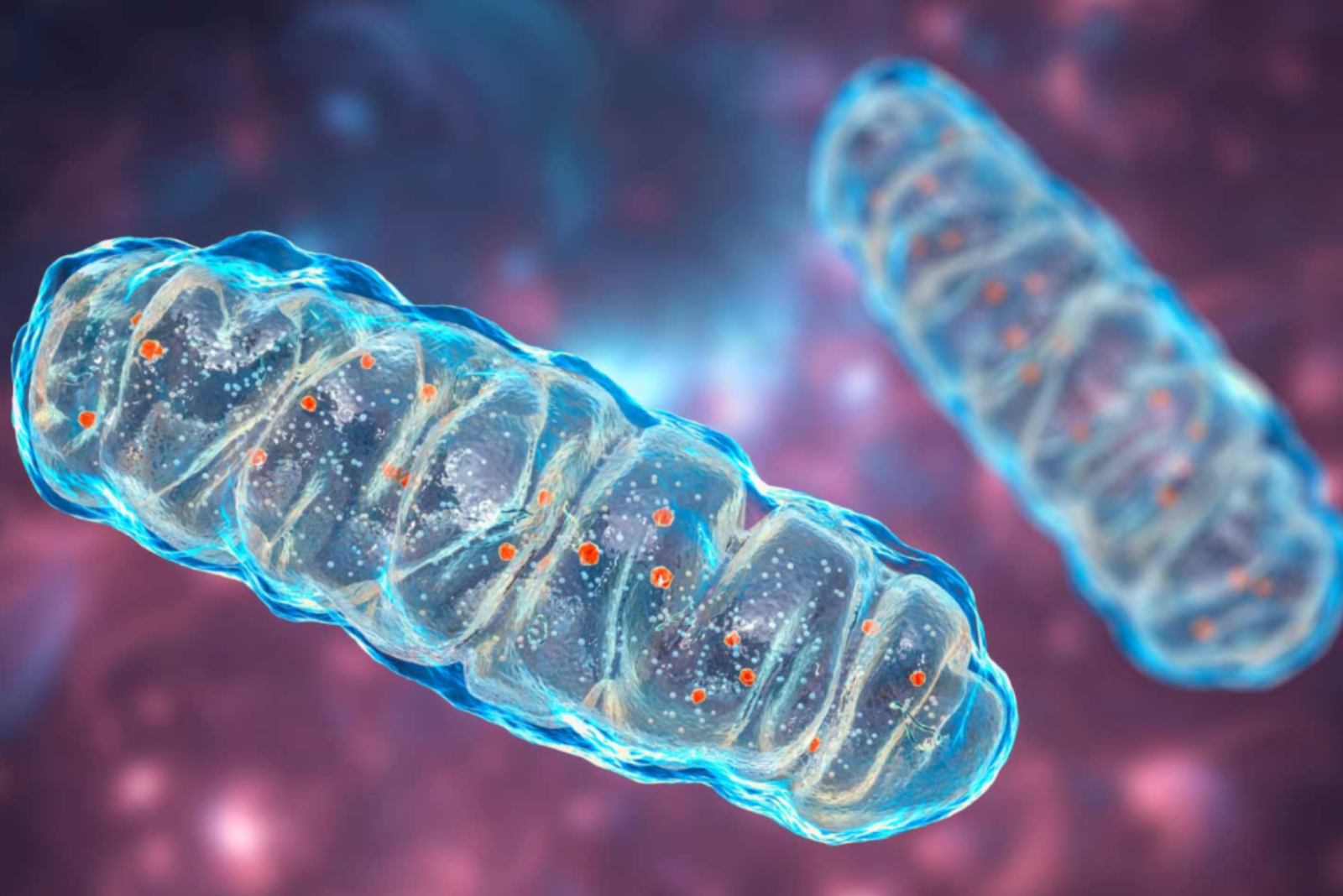
Every muscle contraction, nerve signal, heartbeat, thought, and repair process requires usable energy. Mitochondria help produce much of that energy in the form of adenosine triphosphate, or ATP.
That is why energy in healthy aging deserves a broader definition than whether you feel sleepy in the afternoon.
Cellular energy supports the work required to move, think, maintain tissue, recover after activity, and respond to the demands of everyday life. It also helps explain why changes in energy can affect much more than stamina alone. When the body has fewer resources available, movement, concentration, recovery, and ordinary daily tasks may all require more effort.
For a deeper look at ATP and how nutrition, movement, rest, and microcurrent fit into the larger cellular-energy picture, explore Mitochondrial Recharge: How to Boost Energy and Reduce Chronic Pain.
Cellular energy is not the only factor shaping how mobile, resilient, or capable someone feels. The nervous system also influences how the body responds to pain, stress, movement, sleep, and the demands of recovery.
The Nervous System Is Part of Healthy Aging
Pain changes more than the area that hurts.
Living with pain for months or years can affect sleep, muscle tension, activity, mood, digestion, concentration, and the nervous system’s response to physical and emotional stress.
This can create a difficult cycle. Pain makes movement harder. Reduced activity can affect strength and confidence. Poor sleep makes the following day more difficult. Stress rises, the body becomes more reactive, and recovery begins requiring more effort.
To explore that cycle more deeply, our guide to microcurrent and nervous system regulation explains why pain, sleep, digestion, inflammation, energy, and recovery can become more reactive when the body remains on high alert.
Supporting the nervous system gives us another way into that pattern.
The vagus nerve is one of the major communication pathways connecting the brain with organs throughout the body. Vagus Nerve Stimulation is one of the tools used in Pain Free For Life’s microcurrent-focused approach to support nervous system regulation, particularly when pain, poor sleep, stress, and heightened reactivity occur together.
That does not mean every person experiencing chronic pain needs the same protocol. It illustrates something more useful: improving function sometimes requires looking beyond the joint, muscle, or painful spot itself.
Healthy aging means supporting the whole person, not only the part of the body that currently hurts.
Sleep Gives Tomorrow Something to Work With
Sleep is one of the clearest places where this whole-person picture becomes visible.
Before beginning her Pain Free For Life treatment plan, Swamini reported sleeping only two to four hours a night. Over time, she began sleeping six to eight hours.
That change matters because sleep is part of the environment in which the body has to recover.
Sleep remains essential throughout adulthood, supporting physical recovery, cognition, immune function, energy, and the ability to function well the following day.
When sleep has become unreliable, healthy-aging advice that focuses only on exercise and nutrition misses an important part of the picture.
Better sleep can mean more resources for tomorrow: more energy for movement, greater tolerance for stress, better concentration, and more opportunity for physical recovery.
Our guide to getting more restorative sleep offers practical ways to strengthen sleep habits and create conditions that make restorative rest easier to reach.
Where Microcurrent Fits in a Healthy-Aging Plan
Microcurrent is not the entire healthy-aging plan. Within The Hache Protocol for Pain Resolution™, it is one of five interactive elements that work alongside stress reduction, nutrition, fitness, and sleep.
If microcurrent is new to you, our plain-language guide to microcurrent therapy explains how low-level electrical current is used within the broader Pain Free For Life approach.
One of the most useful lessons in Swamini’s story is that her plan did not revolve around a single device setting, accessory, or daily habit.
Her personalized routine included several forms of microcurrent treatment along with Vagus Nerve Stimulation, Mitochondrial Recharge, PEMF through the QiWave pad, grounding protocols, and more.
Just as importantly, she had guidance.
A Treatment Coordinator worked with her to determine which treatments deserved attention, how the pieces could fit together, and how her routine could be adapted over time. That kind of support can matter when someone is dealing with multiple diagnoses, long-standing pain, limited mobility, and a body that does not always respond predictably.
A Treatment Coordinator can help narrow the focus, adjust pacing, and make a complex routine more repeatable. You can learn more about how Treatment Coordinator support works.
Once the plan is clear, consistency often matters more than intensity. Our guide to daily microcurrent therapy explains why shorter, repeatable sessions may be easier to sustain than occasional, more demanding treatments.
Healthy aging becomes more manageable when we stop expecting one habit or treatment to carry the entire load.
Independence Gives Healing Meaning
Perhaps the most compelling part of Swamini’s story is that she started writing again!
For years, chronic pain and the mental fog surrounding it had made it difficult to focus on projects she cared about. As her overall health picture changed, she returned to a book she had been trying to finish and completed a collection of poems. That is healthy aging too.
Being able to think about something other than your symptoms. Having enough energy to create. Deciding how you want to spend an afternoon. Moving through the world with greater confidence. Depending less on other people for tasks you value doing yourself.
Those outcomes are difficult to capture with a single health number, but they reflect an important part of healthy aging: maintaining the ability to participate in the life that matters to you.
For Swamini, the change also brought a different understanding of her own role in health:
“I don’t know what shape I’d be in if I hadn’t started using microcurrent. I now understand that I have to take responsibility for my health rather than expecting someone else to fix it.”
—Swamini B.
Taking responsibility does not mean blaming yourself for illness, pain, or limitations outside your control.
It can mean something much more useful: learning how your body responds, asking better questions, using the support available to you, making informed choices, and returning to the habits and treatments that help you function better. That is agency, and preserving agency may be one of the most important goals for healthy aging.
Healthy Aging Begins With What You Want to Keep Doing
A healthy-aging plan does not have to begin with a long list of things you are doing wrong. Start instead with what you want your body to help you keep doing.
Maybe that means walking your dog, traveling, living independently, playing with grandchildren, working, gardening, cooking, hiking, writing, or simply sleeping through the night and having enough energy left for tomorrow.
If gardening is one of the activities you want to preserve, our pain-free gardening guide shares ergonomic tools, accessibility ideas, and simple ways to reduce unnecessary strain.
From there, look at what may be getting in the way. Pain, poor sleep, loss of strength, prolonged stress, inadequate nutrition, or a treatment routine that is difficult to sustain can all make everyday life harder. The goal is not to meet some perfect standard for what you “should” be able to do at a certain age. It is to support the function that matters in your own life.
For Swamini, that meant more than lower pain numbers. She wanted her mobility, sleep, clarity, creativity, independence, and ability to participate in her life back.
Her experience cannot predict another person’s results, but it brings the larger goal of healthy aging into focus. Growing older does not give us complete control over what happens to the body. It does give us good reason to keep supporting what helps us live well within it.
Keep Learning With Pain Free For Life
If chronic pain, reduced mobility, poor sleep, or changes in energy are making it harder to keep doing the things that matter to you, visit the Pain Free Living Lab for education on microcurrent therapy, The Hache Protocol™, Health Labs, and whole-body approaches to pain and recovery.
Looking for Avazzia Life microcurrent devices, conductive accessories, PEMF and scalar technology, supplements, or other wellness tools? Shop The Sana Shop to explore the current collection.
And if you enjoy practical health education, client stories, recipes, microcurrent guidance, and the latest from our team, Pain Free Living Magazine is always free. Subscribe to Pain Free Living Magazine to have new issues and updates delivered to your inbox.
Have a question about a device, product, order, sale, or getting started? Our Client Services team is available Monday through Friday, 9:00 a.m.–5:00 p.m. Pacific and responds within 48 business hours.
Call: 1-888-758-0851 in North America or 415-688-2045 internationally
Email: support@painfreeforlife.com
Text: +1 (415) 688-2045
Contact the Pain Free For Life Team
Sources Cited:
World Health Organization. Healthy Ageing and Functional Ability. https://www.who.int/news-room/questions-and-answers/item/healthy-ageing-and-functional-ability
https://www.who.int/news-room/fact-sheets/detail/physical-activity
National Institute on Aging. Sleep and Older Adults.
https://www.nia.nih.gov/health/sleep/sleep-and-older-adults