





Overview: Microcurrent and Nervous System Regulation for Chronic and Autoimmune Conditions (TL;DR)Chronic and autoimmune symptoms often feel worse when the nervous system remains on high alert. This post breaks down why “safety and stability” matter, and how microcurrent can gently support them over time.
If progress feels unpredictable, the nervous system may be the missing piece. |
The immune system is built to protect you. In autoimmune conditions, that protection gets misdirected.
That can show up in ways that are hard to explain to anyone who has not lived it. Pain that moves around. Inflammation that flares for reasons you cannot always trace. Fatigue that is not fixed by a good night’s sleep. Plans you want to keep, but your body has other ideas. Even when you are doing your best, it can feel like you are managing your life around symptoms.
A large 2023 population-based study in The Lancet that followed about 22 million people suggests autoimmune disorders now affect roughly 1 in 10 individuals. The study also reports differences linked to socioeconomic factors, season, and region, which adds weight to the idea that environment and lived conditions matter, not just genetics.
If you have ever lived with chronic pain, persistent inflammation, or autoimmune patterns, you know the frustration of doing “all the right things” and still feeling like progress is unpredictable. You may have tried medications, supplements, special diets, elimination plans, and protocols that sounded promising, only to find yourself circling back to the same question.
So why does lasting relief feel so hard to reach?
Often, the challenge is not effort. It is how your nervous system is processing everything you are asking your body to do. Chronic and autoimmune patterns rarely respond well to aggressive approaches, especially when the system is already depleted, sensitized, or running on high alert. In many cases, the body is asking for something gentler: a sense of safety, stability, and consistent support that helps it rebuild trust in the healing process.
At Pain Free For Life, we see this again and again. Meaningful healing often begins when you stop forcing outcomes and start creating conditions where your nervous system can finally exhale, and your body can respond. That is not a soft idea. It is biology, and for many people, it is the turning point that makes everything else work more predictably.
This blog will help you understand why nervous system regulation matters so much in chronic and autoimmune healing, and how microcurrent therapy can support that foundational shift in a way that feels steady, not overwhelming.
Why Chronic and Autoimmune Healing Often Begins With Nervous System Regulation
Chronic pain, autoimmune conditions, and persistent inflammation are rarely isolated. They often reflect an internal environment, your terrain, under ongoing stress or strain. When the nervous system stays stuck in a prolonged threat response, the body can become more reactive. Sleep gets lighter, digestion becomes unpredictable, and inflammation tends to rise. Smaller triggers can hit harder than they should, and flare-ups can feel like they come out of nowhere.
For many people, it feels like the body is running an alarm that will not shut off. That does not mean your system is broken. It often means your system has been trying to protect you for a long time. The goal is not to override that protective response. The goal is to give the nervous system enough signals of safety that it can downshift and stop bracing against every input.
If you want a deeper nervous system lens for why safety matters so much, start here: How Polyvagal Theory Promotes Healing.
How Microcurrent Therapy Supports Gentle Regulation
Microcurrent can be a meaningful support tool for sensitive systems because it is not designed to overpower the body. It is designed to communicate with it. Microcurrent therapy uses ultra-low electrical signals that mirror the body’s natural communication pathways, and many people use it as part of a terrain-based approach to support calmer signaling over time.
In practice, microcurrent is often used to support:
- Calmer nervous system signaling
- Healthier circulation and recovery
- Reduced inflammatory load over time
- Improved sleep quality and resilience
- Lower pain sensitivity and muscle tension
The key, especially for chronic and autoimmune patterns, is pacing. “Start low and go slow” is not a cliché here. It is often what keeps the nervous system feeling safe enough to keep going. When the body is reactive, the goal is not to do more. The goal is to give the system steady inputs it can actually accept.
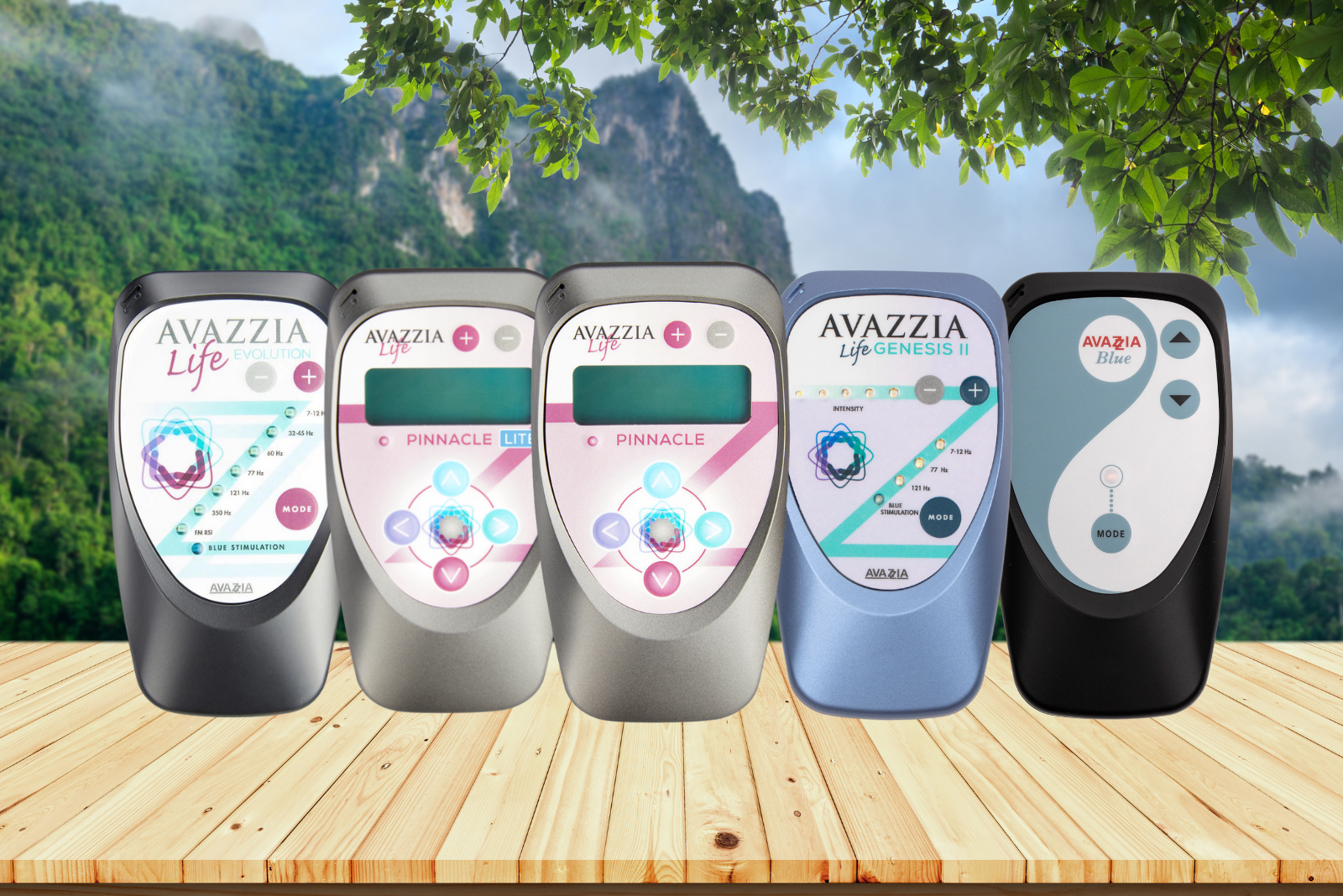
If you are interested in shopping for a microcurrent device or are considering an upgrade, this guide can help you match your situation to the right level of support: Pain Free For Life Avazzia Life Device Guide: Find Your Best Microcurrent Device for 2026.
Need more help? Reach out via email at support@painfreeforlife.com.
Mindset and the Nervous System: Why a Holistic Approach Matters
When people hear “mind-body,” they sometimes worry it implies symptoms are imagined. That is not what we mean. In chronic and autoimmune healing, the mind-body connection is biology. Thoughts, emotions, beliefs, and stress patterns influence hormones, immune signaling, inflammation, and pain perception. When the nervous system stays in prolonged vigilance, the body allocates more resources toward protection and fewer to repair.
This is one reason The Hache Protocol is built as a whole system rather than a single intervention. The five interactive elements work better together than they do in isolation: stress regulation, nutrition, movement, sleep optimization, and microcurrent therapy. If you want a deeper dive into how pain, stress, and the nervous system interact, read: Uncovering the Mind-Body Connection: Pain and the Mind.
What Progress Often Looks Like in Chronic and Autoimmune Healing

One challenge in chronic healing is that progress is not always dramatic at first. Early improvements often show up in the systems beneath the pain, the places that signal that regulation is returning. This is why it helps to look for more than “pain is gone” when you are tracking whether your plan is working.
You may notice:
- Deeper, more restorative sleep
- Mornings that feel less reactive
- Flare-ups that are shorter or less intense
- Digestion that feels steadier
- Gradual improvement in energy and mood
- Less “wired but tired” activation
These shifts are not small. They are often the first signs your system is building capacity again. Capacity is what makes long-term healing more predictable.
Special Considerations: Fibromyalgia and Complex Pain Patterns
Fibromyalgia and complex chronic pain often involve heightened sensitivity. Pain thresholds drop, recovery slows, sleep becomes lighter, and the system can feel like it is always bracing. This is one reason gentle, consistent support can matter so much.
Microcurrent is often explored in these patterns because it can support nervous system signaling, circulation, and recovery capacity without relying on intensity. When people build a steady rhythm with microcurrent and the foundations, they often report more reliable day-to-day functioning over time.
If you want a simple, practical starting point, we recommend this short video from Dr. Rob: Top 3 Ways to Treat Fibromyalgia Naturally. In it, he walks through three core supports that tend to matter most for fibromyalgia patterns: gentle exercise, stress reduction, and microcurrent support.
If gentle movement feels like a supportive step for you, check out our blog post, 8 Exercises for People in Pain.
For more on additional support options, see: Alternative Therapies for Fibromyalgia Pain: Finding Relief Through Holistic Healing.
Practical Steps to Get Started With Microcurrent Therapy
(Image of someone performing microcurrent therapy)
If you are starting microcurrent therapy with chronic pain or autoimmune patterns, the goal is not to do everything perfectly. The goal is to begin in a way your system can tolerate, then build consistency. Most people do best when the plan feels simple enough to live with and clear enough that they are not guessing every day.
A few starting principles that tend to help:
- Start simple and repeatable, so the routine is realistic on your hardest day.
- Track response, not perfection, and pay attention to sleep, energy, digestion, mood, and flare frequency.
- Build the foundations alongside microcurrent, because sleep, nutrition, movement, and stress regulation help the body respond more predictably.
- Get guidance from our fantastic team of Treatment Coordinators if you feel stuck, especially if your history is complex or your symptoms are highly reactive.
If you have lived with chronic pain or autoimmune symptoms, you have probably been told to push through it. But for many bodies, pushing harder only increases the stress load. Real healing often begins when the nervous system feels safer and when the plan is steady enough to follow.
Microcurrent therapy, paired with a nervous system-focused, terrain-based approach, can be a powerful way to support that shift over time. Not through force, but through consistent signals the body can respond to. If you want ongoing education, community support, and practical guidance, visit the Pain Free Living Lab. If you want encouragement and community accountability along the way, you can also explore the Events and Community page and join the Pain Free For Life Support Group.
Sources Cited:
https://www.thelancet.com/journals/lancet/article/PIIS0140-6736(23)00457-9/abstract