




| Overview: move, flow, heal: how gentle movement supports detox, energy, and pain recovery
Movement is one of the body’s most powerful tools for recovery and renewal. While nutrition and detox strategies support internal balance, circulation and lymphatic flow rely heavily on physical activity. When the body moves regularly, blood flow improves, oxygen reaches tissues more efficiently, and detox pathways can function more effectively. Movement also stimulates cellular energy production, helping the body maintain resilience against fatigue and inflammation. This guide explains how gentle movement supports detoxification, improves mitochondrial energy production, and helps regulate the nervous system. Key ideas to keep in mind:
In the sections below, we explore how circulation, mitochondrial energy production, and nervous system regulation all depend on movement, and how even small daily habits can help restore balance and improve recovery. |
Why movement matters for spring detox and recovery
Unlike the cardiovascular system, the lymphatic system lacks a central pump. Instead, it relies on muscle contractions and body movement to circulate lymph fluid throughout the body.
This network plays a crucial role in detoxification by transporting cellular waste, toxins, and excess fluids away from tissues so they can be processed by the liver and kidneys.
When lymph flow slows down, waste products can begin to accumulate in tissues. Over time, this buildup may contribute to inflammation, fatigue, and slower recovery from physical or environmental stress.
More than two thousand years ago, the Greek physician Hippocrates, often called the father of modern medicine, recognized the importance of movement in maintaining health, as seen below.

“Walking is man’s best medicine.”
— Hippocrates
For centuries, healers have understood that gentle movement supports circulation, mobility, and recovery. What many people need to hear today is that movement does not have to mean intense exercise.
In the video below, Dr. Rob explains why movement can be one of the most powerful tools for healing, especially for people living with chronic pain, fatigue, or long-term injuries.
If you’re unsure where to begin, our guide to low-impact exercises for pain relief shares beginner-friendly movements designed to improve circulation while staying easy on the joints.
Movement and The Hache Protocol™
Within the Pain Free For Life framework, movement is one of the five pillars of The Hache Protocol™ for Pain Resolution. Alongside sleep, nutrition, stress regulation, and microcurrent therapy, movement plays a key role in supporting the body’s natural healing processes.
Regular movement helps stimulate detox pathways, improve mitochondrial function, and regulate the nervous system. When practiced consistently and combined with the other pillars of the protocol, it becomes a powerful tool for restoring energy and supporting long-term wellness.
You can learn more about this framework in our article, Spring Clean Your Health Routine with The Hache Protocol™.
The connection between movement and mitochondrial energy

Movement does more than strengthen muscles. It also plays a direct role in supporting cellular energy production.
When muscles contract during physical activity, cells require more energy. This increased demand signals the body to strengthen mitochondrial function and produce more ATP (adenosine triphosphate), the molecule that fuels nearly every cellular process.
Mitochondria are often referred to as the powerhouses of the cell because they generate the energy required for essential biological functions, including muscle contraction, nerve signaling, tissue repair, and immune response.
When mitochondrial function declines, people may begin to notice symptoms such as:
- Persistent fatigue
- Slower recovery after physical activity
- Muscle soreness or weakness
- Brain fog or reduced concentration
These changes help explain why consistent physical activity is often associated with improved energy levels and reduced fatigue. By stimulating circulation and increasing the body’s demand for energy, gentle movement encourages the mitochondria to become more efficient over time.
Supporting mitochondrial health with the Mitochondrial Recharge Protocol
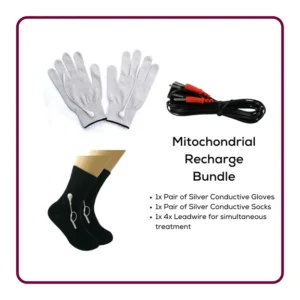
At Pain Free For Life, mitochondrial support is also addressed through the Mitochondrial Recharge Protocol, which focuses on improving cellular energy production and supporting recovery at the cellular level.
By encouraging healthier ATP production, this protocol can help the body maintain the energy required for physical activity, mental focus, and tissue repair. When cellular energy improves, many people notice that recovery after movement becomes easier and daily fatigue begins to lessen.
For individuals interested in exploring this approach further, the Mitochondrial Recharge Bundle brings together the tools used to support this protocol and make the process easier to follow at home.
Please note: The Mitochondrial Recharge Bundle is designed to pair with our line of Avazzia Life microcurrent devices. If you’re new to the devices, our Avazzia Life microcurrent device guide explains the available models and how to choose the option that best fits your needs.
For a deeper look at cellular energy production and recovery, our guide Mitochondrial Recharge: How to Boost Energy & Reduce Chronic Pain This Spring explains how mitochondrial health influences fatigue and resilience.
Gentle movement for daily wellness
Exercise does not need to be intense to be effective. Gentle, consistent movement often provides the greatest long-term benefits for people managing fatigue, inflammation, or chronic pain.
Even small, regular movements can improve circulation, stimulate lymphatic flow, and help the body maintain healthy energy production.
Common approaches include:
| Movement Type | How It Supports Detox and Energy | Simple Examples |
| Walking | Improves circulation and stimulates lymphatic flow | Daily walks outdoors, short walks after meals, walking during phone calls, or parking farther from entrances |
| Stretching | Maintains mobility and encourages blood flow to muscles | Morning mobility routines, gentle evening stretches, or short stretch breaks during desk work |
| Rebounding | Activates lymphatic circulation through gentle bouncing | Mini-trampoline sessions lasting a few minutes to stimulate lymph flow and circulation |
| Yoga, Tai Chi, or mindful movement | Combines movement with breathing to regulate the nervous system | Gentle yoga flows, tai chi practice, or slow mobility exercises that focus on breathing and body awareness |
| Light strength training | Encourages mitochondrial growth and muscle support | Resistance bands, handheld weights, a weighted vest, or simple bodyweight exercises |
Even simple habits such as stretching in the morning, taking brief walks during the day, or practicing a few minutes of mindful movement can help maintain circulation and support the body’s natural detox and energy systems.
The key is consistency. Small amounts of regular movement can have a meaningful impact on circulation, detox pathways, and cellular energy over time.
Activating detox pathways through heat and sweating

Heat exposure can complement movement in supporting circulation and recovery. Activities that raise body temperature, such as sauna use, increase blood flow and stimulate sweating, which is one of the body’s natural cooling mechanisms and a means of removing waste.
Sweating is primarily the body’s way of regulating temperature, but researchers have also detected trace amounts of environmental toxins in sweat. A 2012 peer-reviewed study examining sweat samples found that substances such as arsenic, cadmium, lead, and mercury can be detected in sweat, suggesting that perspiration may contribute to detoxification processes to a small extent.
While the liver and kidneys remain the body’s primary detox organs, sweating can serve as a complementary pathway for removing certain compounds.
Two of the most common forms of sauna therapy are infrared saunas and traditional steam or dry saunas, each producing heat in slightly different ways.
According to Mayo Clinic, infrared light heats the body directly rather than heating the surrounding air. Because this heat penetrates the skin more deeply, many users report sweating at lower temperatures compared with traditional saunas. Some research suggests that infrared sauna therapy may support relaxation, circulation, and recovery from chronic conditions, though more rigorous studies are still needed to fully confirm these effects.
Traditional steam or dry saunas work by heating the air around the body, typically at higher temperatures. This environment raises heart rate, increases circulation, and stimulates heavy sweating. According to UCLA, the cardiovascular response to sauna heat can resemble the effects of moderate exercise, as blood vessels widen and circulation improves.
Because of these effects, sauna sessions are often used as a recovery tool after exercise. Increased blood flow can help relax muscles, reduce stiffness, and support the body’s natural repair processes.
Supporting recovery with microcurrent therapy
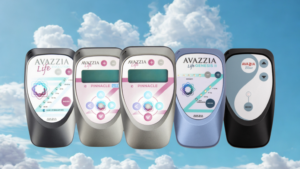
Movement improves circulation, but cellular recovery also depends on healthy electrical communication within the body.
Microcurrent therapy delivers extremely low electrical signals that mimic the body’s natural bioelectric communication. These signals may help encourage cellular repair, reduce inflammation, and support ATP production.
If you are new to this approach, our plain-language guide to microcurrent pain therapy explains how microcurrent works and why it is used to support recovery.
Consistency also plays a key role. Our article Daily Microcurrent Therapy: Why Consistency Matters More Than Perfection explains why small, repeatable sessions often produce the most predictable results.
Frequently asked questions about movement and detox
How much movement is needed to support detox?
Even small amounts of daily movement can stimulate lymphatic circulation. Short walks, stretching sessions, or gentle mobility exercises can support detox pathways.
What if exercise worsens my pain?
Start slowly and choose low-impact activities. Walking, stretching, and gentle yoga are often easier for people managing chronic pain.
Can movement improve fatigue?
Yes. Regular movement improves circulation and mitochondrial energy production, which can contribute to increased energy levels over time.
How does movement support detoxification?
Movement activates the lymphatic system, which helps transport toxins and cellular waste from tissues back into circulation for elimination.
Environmental stressors can also influence recovery and nervous system balance. Our article Why EMF Protection Matters: Your Guide to Floww Products explains how modern technology environments can impact sleep and wellness.
Continue building your spring wellness routine
Movement, detox support, and mitochondrial health are deeply interconnected. Each system strengthens the others.
When circulation improves, detox pathways function more efficiently. When mitochondria produce energy more effectively, the body has a greater capacity to repair and recover.
Small daily habits, such as walking, stretching, improving sleep routines, nourishing the body with nutrient-dense foods, and supporting cellular recovery, can also gradually restore the balance that allows the body to heal.
If you would like to explore more strategies for supporting energy, recovery, and long-term wellness, visit the Pain Free Living Lab to access free trainings and educational resources.
Sources cited: