




Overview: What Is the Tongue-Brain Connection?
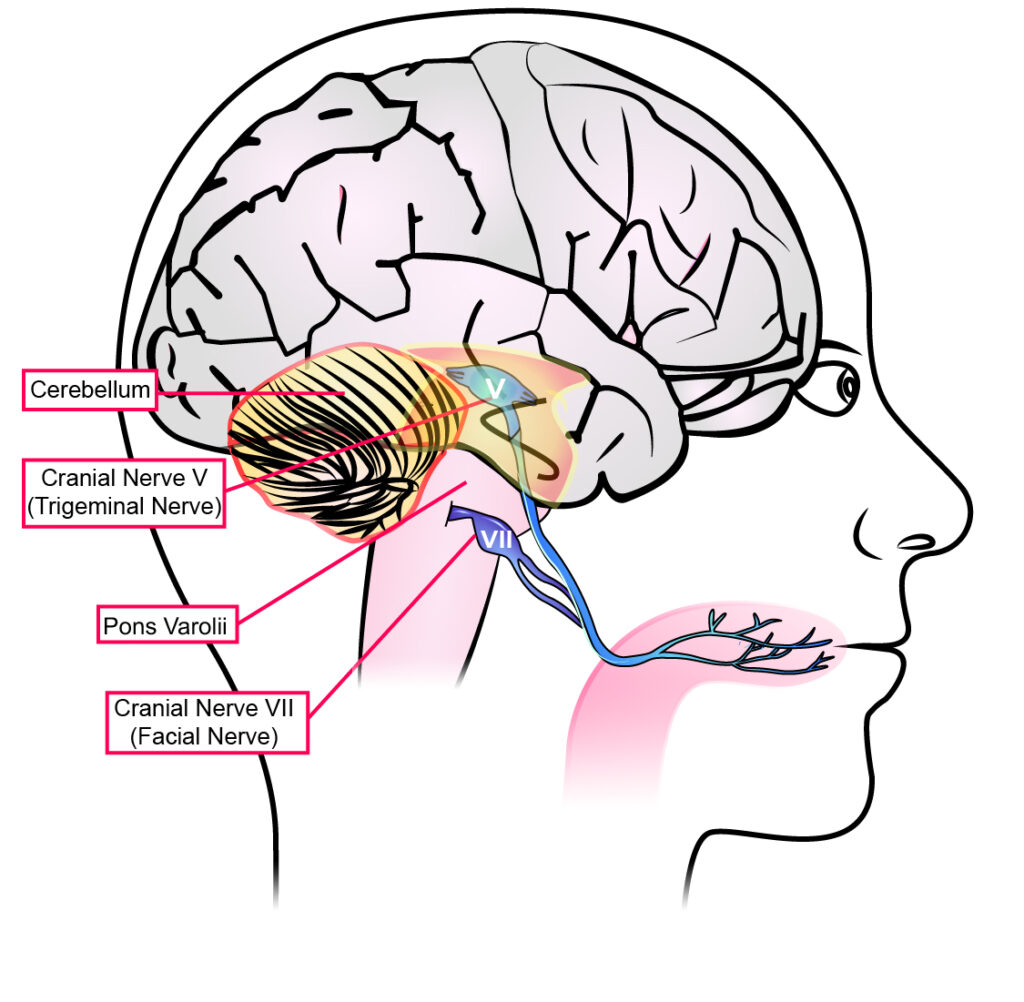
The tongue-brain connection describes the surprisingly rich communication between the tongue and the nervous system. Several cranial nerves carry sensory and motor information between the tongue and brain, which has made this small area of the body an interesting target for research into neuroplasticity and neuromodulation.
One approach, called translingual neurostimulation (TLNS), delivers patterned electrical stimulation through the tongue while a person performs rehabilitation exercises. The best-known example is the PoNS device, a prescription neuromodulation system that has been studied for neurological rehabilitation.
At Pain Free For Life, the tongue-brain connection is also interesting because it opens a larger conversation about electrical stimulation, nervous-system signaling, and microcurrent therapy. PoNS and microcurrent are not the same technology, but understanding one helps us ask better questions about how electrical and sensory input can interact with the nervous system.
In this article, we’ll explore:
- Why the tongue has such a close connection with the brain
- What neuroplasticity means and why it matters
- How translingual neurostimulation and the PoNS device work
- What current research tells us about electrical tongue stimulation
- How PoNS differs from microcurrent therapy
- Where tongue stimulation fits into the larger brain-body conversation
Why Are Researchers Stimulating the Tongue?
Stick out your tongue.
It may be one of the last places you would think to look for a connection to your brain, but your tongue is doing far more than helping you taste, talk, and swallow.
Several cranial nerves carry information to and from this small area of the body, creating a surprisingly direct line of communication with the nervous system. That connection has become so interesting to researchers that the tongue is now being studied as an access point for a form of electrical stimulation called translingual neurostimulation.
And this is where the story gets really fascinating.
Electrical stimulation of the tongue has been paired with rehabilitation to study whether that additional sensory input can help the nervous system do something remarkable: adapt and relearn.
The word for that ability is neuroplasticity, and it has changed the way we think about the brain.
If you have been part of the Pain Free For Life community for a while, some of this may sound familiar. We have been interested in the tongue-brain connection for years. Today, we know considerably more about how this technology is being used, where the research is heading, and why the distinction between tongue stimulation and microcurrent matters.
Your Brain Is Built to Adapt
Neuroplasticity is your nervous system’s ability to change and adapt.
Every time you learn a new skill or practice a movement until it becomes easier, your brain is using that ability. Neuroplasticity also plays an important role in rehabilitation, where repetition and sensory input can help the nervous system build and strengthen new ways of accomplishing a task.
It is not a promise that the brain can recover from every injury or disease. The extent of recovery depends on what has happened, which parts of the nervous system are involved, a person’s overall health, rehabilitation, timing, and many other factors.
But it does mean the brain is far more adaptable than scientists once believed.
That discovery has opened the door to all kinds of questions about how we might work with the nervous system during rehabilitation—including through a place as unexpected as the tongue.
What Makes the Tongue So Interesting?
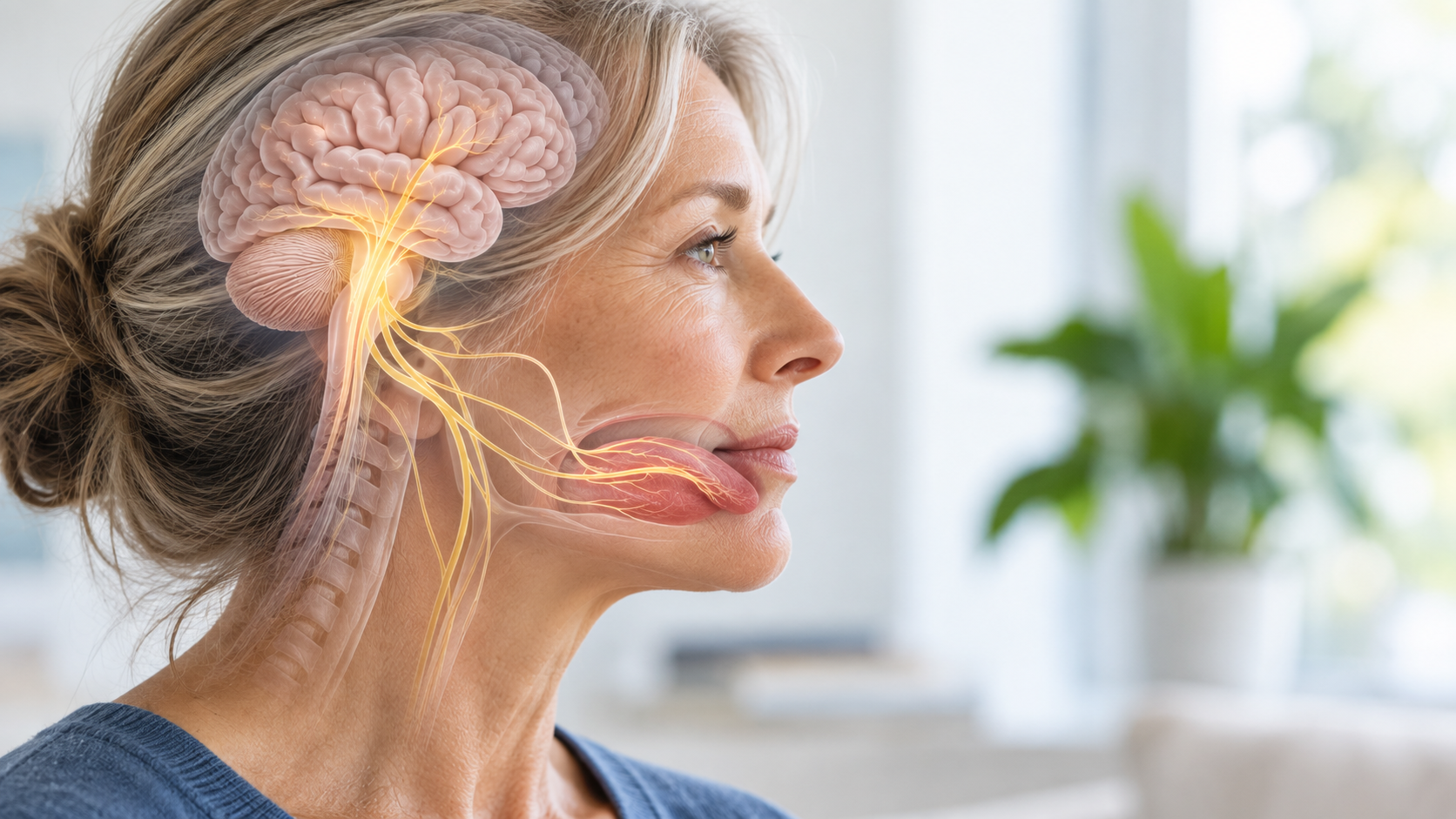
The tongue may look like an unlikely gateway to the nervous system, but neurologically, it is anything but simple.
Several cranial nerves participate in tongue sensation, taste, and movement. That means sensory information from the tongue has pathways into areas of the brainstem involved in receiving and processing incoming signals.
Researchers studying translingual neurostimulation, often abbreviated TLNS, use that access point by delivering patterned electrical stimulation through electrodes placed on the tongue.
This idea has been developing for years. Earlier research into cranial nerve stimulation explored the tongue as a non-invasive route for delivering sensory information into brainstem and cerebellar networks, helping establish some of the scientific foundation for the technologies being studied today.
The goal is not to electrically “heal” damaged brain tissue.
Instead, researchers have investigated whether providing additional sensory input while a person performs rehabilitation exercises can influence the neuroplastic processes involved in relearning movement and balance.
The stimulation and the rehabilitation are intended to work together.
And the tongue is only one part of a much larger nervous-system story. If you are interested in how the brain and body respond to signals related to safety, stress, pain, and regulation, our article on Polyvagal Theory and chronic pain explores another fascinating part of that conversation.
What Is the PoNS Device?
One of the best-known examples of translingual neurostimulation is the Portable Neuromodulation Stimulator, or PoNS.
The device uses a specialized mouthpiece to deliver electrical stimulation to the tongue while the person participates in a structured therapeutic exercise program.
That second part is easy to overlook, but it matters.
PoNS is not simply a device you place on your tongue and wait for your brain to change.
Rehabilitation is built into the way the technology has been developed and studied. The stimulation provides sensory input while the person actively works on movement and function.
Longtime members of our community may remember when we first began talking about this technology. If you want to take a trip back through the Pain Free For Life archives, Taking It Further—Taking It to the PoNS shares some of our earlier exploration of tongue stimulation, neuroplasticity, and neurological rehabilitation.
A lot has happened since then.
Where Does PoNS Stand Today?
When we first wrote about PoNS, the technology was still much earlier in its regulatory and research journey.
That has changed.
In 2021, the FDA granted authorization for PoNS as a prescription device to be used with supervised therapeutic exercise to treat gait deficits associated with mild-to-moderate symptoms of multiple sclerosis in adults 22 and older.
The regulatory story has continued to develop, including an additional FDA clearance in 2026 involving chronic stroke-related gait deficits.
That progress is exciting because we now have a much clearer picture of where the technology actually fits.
It also gives us a better way to talk about PoNS than simply listing every neurological condition for which tongue stimulation has ever been investigated.
What Is the Research Showing Us?
Here is where good research sometimes surprises us. Earlier studies of translingual neurostimulation reported encouraging findings involving gait, balance, and neurological rehabilitation. At the same time, researchers reviewing the evidence pointed out that stronger randomized controlled trials were needed to determine how much benefit was coming specifically from tongue stimulation.
A newer randomized trial gives us a good example of why that matters. In the study, people with multiple sclerosis completed 14 weeks of physical therapy while using either active tongue stimulation or a sham PoNS device.
Both groups improved in gait and balance.
However, active tongue stimulation did not produce a significantly greater improvement in those measures than sham stimulation at the dosage studied. Researchers did find greater improvements in cognitive fatigue and some mental-health quality-of-life measures in the active group. That does not close the book on tongue stimulation. It helps us ask better questions about what the technology may be doing, which outcomes it may influence, how it should be used, and how much of the improvement comes from the rehabilitation itself. That is science doing exactly what we want it to do: helping us get more precise.
PoNS and Microcurrent Are Not the Same Thing
This is especially important for those of you who already use microcurrent at home.
PoNS uses electrical tongue stimulation as part of specific neurological rehabilitation programs. Microcurrent therapy uses very low levels of electrical current and can involve different frequencies, waveforms, electrodes, accessories, treatment locations, and goals depending on the device and protocol.
Both use electrical stimulation. That does not make them the same technology.
And research involving PoNS cannot automatically tell us what will happen when a different electrical device is applied to the tongue.
What these technologies share is something broader and, in my opinion, just as interesting: an interest in how electrical and sensory input can interact with nervous-system signaling.
If you want to explore that idea from the chronic-pain side, our article Halt the Pain-Brain Connection with Microcurrent Therapy looks at persistent pain, nervous-system signaling, and the role interactive microcurrent can play within the Pain Free For Life approach.
What About Using Microcurrent on the Tongue?
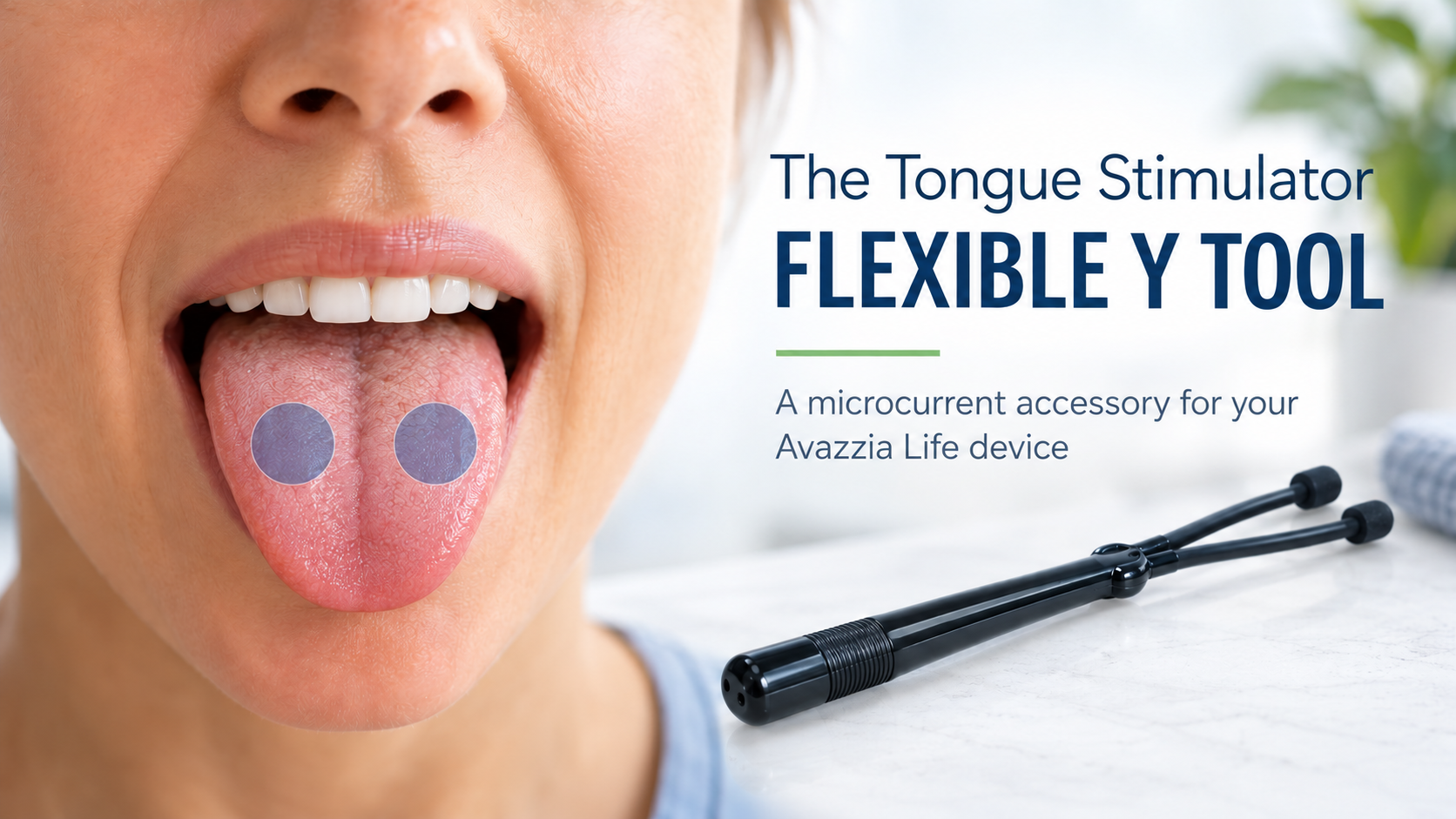
This is where the subject becomes especially relevant to our community. Some Pain Free For Life microcurrent approaches use conductive accessories that allow electrical stimulation to be delivered through areas with rich sensory connections, including the tongue. But understanding the tongue’s extensive sensory connection with the nervous system helps explain why this small area of the body has attracted so much interest. For us, that is part of a much larger conversation about how the body communicates.
The Flexible Y Tool: Tongue Stimulation With Your Microcurrent Device
For Pain Free For Life users who want to explore tongue stimulation as part of their microcurrent routine, the Flexible Y Tool, also called the Tongue Stimulator, is the accessory designed for this purpose. The flexible conductive ends allow microcurrent to be applied through the tongue while connected to a compatible Avazzia Life microcurrent device. There is one important thing to know before ordering: the Flexible Y Tool does not generate microcurrent on its own. It must be connected to and powered by an Avazzia Life microcurrent device. That makes it an accessory rather than a stand-alone treatment device. It also keeps the distinction we discussed above clear: using an Avazzia Life device with the Flexible Y Tool is a Pain Free For Life microcurrent application and should not be confused with the prescription PoNS system or its FDA-authorized rehabilitation protocols.
Ready to Explore the Flexible Y Tool?
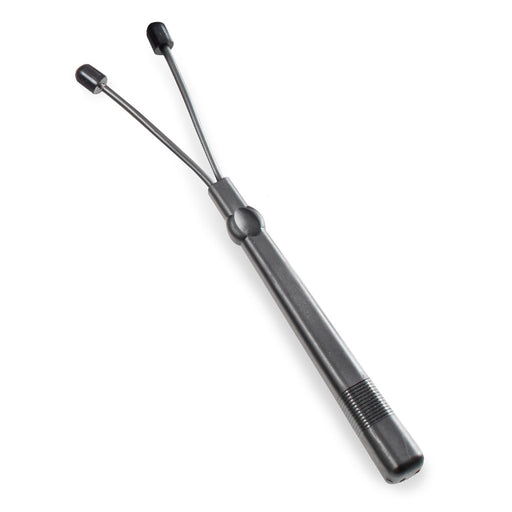
Already have an Avazzia Life microcurrent device? Shop the Flexible Y Tool (Tongue Stimulator) at The Sana Shop to add tongue stimulation capability to your microcurrent setup.
Not sure whether your current device is compatible? Our Avazzia Life Device Guide can help you compare the current devices before you order.
Looking for microcurrent devices, conductive accessories, or other wellness tools used throughout the Pain Free For Life community? Shop The Sana Shop to explore the current collection.
Have questions about the Pain Free For Life approach, a product, or an Avazzia Life microcurrent device? Our team is here to help and will respond within 48 business hours. Call 1-888-758-0851 in North America or 415-688-2045 internationally, or email support@painfreeforlife.com.
The Tongue and Brain Connection Is Only One Part of the Story
The more you learn about the nervous system, the harder it becomes to think of the brain and body as separate.
The vagus nerve gives us another great example. It travels from the brainstem through the neck and into the chest and abdomen, participating in communication between the brain and internal organs as well as autonomic regulation. That has made vagus nerve stimulation another major area of research.
Our guide to Polyvagal Theory and vagus nerve stimulation examines this relationship from the Pain Free For Life perspective, including how we think about nervous system regulation and microcurrent.
The tongue and vagus nerve are not interchangeable treatment targets.
What connects these conversations is the remarkable communication network running between the brain and body every second of the day. And we are still learning how much that network may be able to teach us. Our Microcurrent for Brain Health guide takes a broader look at memory, focus, circulation, cellular energy, sleep, nervous system regulation, and how microcurrent may fit in.
There Is More Happening on Your Tongue Than You Think
Years ago, the idea that stimulating your tongue could have anything meaningful to do with neurological rehabilitation sounded almost unbelievable.
Today, we have a prescription device built around that very idea, FDA-authorized uses, years of research, and newer studies helping us understand where the technology’s strengths and limitations may lie.
And we’re still learning.
That is one of the things I find most exciting about the nervous system. The more we understand how the brain and body communicate, the more opportunities we have to ask better questions about pain, movement, recovery, and health.
So yes—stick out your tongue. There is a lot more happening there than you might think!
Prefer to keep learning in a different format? Explore more conversations about microcurrent, nervous-system health, chronic pain, and whole-body recovery in the Pain Free For Life Podcast, or browse past issues of Pain Free Living Magazine.
Sources Cited
Danilov YP, et al. Non-invasive Neuromodulation of Central Nervous System Dysfunction Using Cranial Nerve Stimulation. Proceedings of the IEEE Engineering in Medicine and Biology Society. 2011. https://pmc.ncbi.nlm.nih.gov/articles/PMC3157831/
Diep D, et al. A Review of the Evidence and Current Applications of Portable Translingual Neurostimulation Technology. Neuromodulation. 2021;24(5):808–815. https://pubmed.ncbi.nlm.nih.gov/32881193/
Donkers SJ, et al. Translingual Neural Stimulation to Improve Gait and Balance in Multiple Sclerosis: A Randomized Controlled Trial. Archives of Physical Medicine and Rehabilitation. 2026. https://pubmed.ncbi.nlm.nih.gov/42150723/
U.S. Food and Drug Administration. De Novo Classification Request: Portable Neuromodulation Stimulator (PoNS). DEN200050. https://www.accessdata.fda.gov/cdrh_docs/reviews/DEN200050.pdf
U.S. Food and Drug Administration. 510(k) Premarket Notification: Portable Neuromodulation Stimulator (PoNS). K253061. Decision May 13, 2026. https://www.accessdata.fda.gov/scripts/cdrh/cfdocs/cfPMN/pmn.cfm?ID=K253061