





Dr Robert Vanbergen from Pain Free For Life
Overview: What Is Microcurrent Therapy?
Microcurrent therapy uses very low levels of electrical current as a form of therapeutic electrical stimulation. Depending on the device and protocol, current may be delivered through electrodes, conductive accessories, or other treatment attachments placed on or near the area being addressed.
For people living with persistent pain, that matters because pain is rarely a one-dimensional experience. Tissue health, inflammation, nerve signaling, muscle tension, sleep, stress, movement, previous injury, and the way the nervous system processes incoming information can all become part of the picture.
Research into microcurrent therapy is still developing, but clinical studies have investigated its use for several types of musculoskeletal pain. A systematic review found encouraging results in individual studies involving knee and shoulder pain while also highlighting the relatively small evidence base available.
At Pain Free For Life, microcurrent is one part of a larger approach rather than a stand-alone answer for every type of pain.
In this article, we’ll explore:
- What microcurrent therapy is and how it works
- What research tells us about microcurrent and pain
- Why inflammation and nervous-system signaling matter
- How persistent pain can change the way the nervous system responds
- How microcurrent fits within the larger Pain Free For Life approach
- What the future may hold for microcurrent therapy
Chronic Pain Is More Than a Number on a Pain Scale
Chronic pain remains one of the most common and disruptive health concerns in the United States. According to the National Center for Health Statistics, 24.3% of U.S. adults experienced chronic pain in 2023, while 8.5% experienced high-impact chronic pain that frequently limited life or work activities.
Those numbers tell us something about the scale of the problem, but they cannot capture what chronic pain can take away from an individual life.
Pain can change how comfortably you move, how well you sleep, how much energy you have left at the end of the day, whether you can work or exercise, and how freely you participate in the activities and relationships that matter to you.
Fortunately, the conversation around pain has also become broader. Medication, physical rehabilitation, injections, surgery, behavioral approaches, neuromodulation, lifestyle interventions, and complementary therapies can all have appropriate roles depending on the person and the underlying cause.
Microcurrent therapy belongs within that larger conversation.
Rather than asking one treatment to do everything, we believe it is more useful to understand where low-level electrical therapy may offer another layer of support for pain, recovery, and nervous-system health.
What Is Microcurrent Therapy?

The human body depends on electrical activity every second of the day.
Your heart generates electrical impulses that help coordinate each heartbeat. Nerve cells communicate through electrochemical signals, while cells throughout the body maintain electrical differences across their membranes as part of normal physiology.
Microcurrent therapy works with the body’s electrical system by delivering very low levels of current through the skin.
Unlike stronger forms of electrical stimulation designed to create noticeable muscle contractions or pronounced sensory stimulation, microcurrent is generally delivered at intensities low enough that treatment may feel very subtle.
The exact current, frequency, waveform, treatment time, and electrode placement depend on the device, protocol, and treatment goal.
Once primarily associated with professional treatment settings, microcurrent technology is now available in home-use devices as well, giving people another way to participate more actively in their own treatment routines.
For a deeper introduction to the technology, including what treatment typically feels like and how home microcurrent devices are used, read our plain-language guide to microcurrent pain therapy.
How Does Microcurrent Work?
Cells and tissues respond to electrical and electrochemical signals, and researchers continue to investigate how externally applied microcurrents may influence cellular activity, tissue repair, pain processing, and other physiological responses.
The effects of an electrical treatment can depend on factors such as current intensity, frequency, waveform, treatment location, duration, and the tissue being treated.
One frequently cited laboratory study found that direct currents in the microampere range increased ATP concentrations and protein synthesis in rat skin tissue. The study helped open an interesting area of research into low-level electrical stimulation and cellular activity, but it is important to keep the finding in context: it involved animal tissue in a laboratory setting and does not establish that every microcurrent protocol produces the same ATP response in people.
Clinical research provides another piece of the picture. A systematic review examining microcurrent therapy for musculoskeletal pain identified nine eligible studies, including four randomized controlled trials. Individual trials reported significant improvements in shoulder and knee pain compared with sham microcurrent, while the researchers also emphasized the need for further investigation and stronger evidence across conditions.
Promising evidence does not mean that one device or protocol can resolve every form of chronic pain. Arthritis, neuropathy, scar tissue, structural injury, autoimmune disease, post-surgical pain, sensitization, and other conditions can produce pain through very different mechanisms.
At Pain Free For Life, we are interested in what microcurrent can contribute to the larger treatment picture rather than asking it to explain every symptom or carry the entire responsibility for recovery.
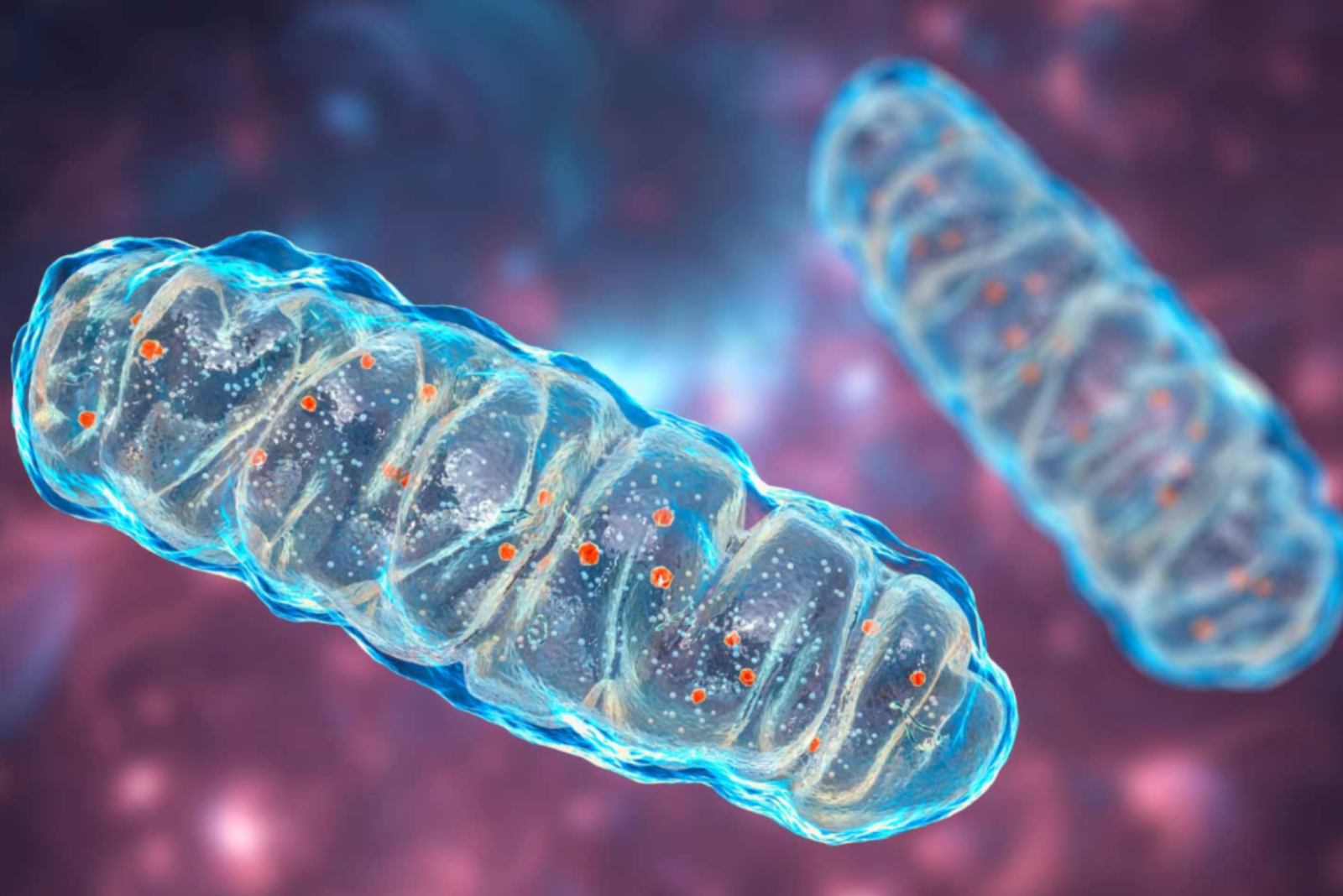
For a closer look at ATP, cellular energy, and the research behind this conversation, explore our guide to mitochondrial health and cellular energy.
Microcurrent, Inflammation, and the Nervous System
Inflammation is one of the body’s essential protective responses. After injury or infection, inflammatory processes help coordinate immune activity, tissue defense, and repair.
The challenge arises when inflammatory activity becomes persistent, dysregulated, or connected to an underlying condition that continues to drive it.
Inflammation can contribute to many painful conditions, but it is not the explanation for every type of pain. Nerve injury, structural changes, muscle dysfunction, altered pain processing, disease activity, and other factors can also play a role.
One particularly interesting area of research involves communication between the nervous and immune systems.
The vagus nerve, the tenth cranial nerve, participates in a physiological pathway known as the inflammatory reflex. Research has helped describe how vagal signaling participates in communication between the nervous and immune systems and in the regulation of inflammatory responses.
That connection helps explain why nervous-system regulation deserves a place in the chronic-pain conversation, although vagus nerve stimulation should not be confused with neurofeedback or presented as a universal anti-inflammatory treatment.
For a broader look at how pain, sleep, stress, inflammation, digestion, and recovery can become more reactive when the nervous system remains under prolonged strain, explore our guide to microcurrent and nervous system regulation.
How Persistent Pain Can Change Nervous-System Signaling
When pain lasts for months or years, the nervous system itself can become part of the story.
Repeated pain signals, ongoing inflammation, nerve injury, poor sleep, stress, fear of movement, and other factors can influence the way pain is processed. In some chronic pain conditions, the nervous system can become increasingly responsive to incoming signals, a phenomenon often discussed in relation to sensitization.
This does not mean the pain is imaginary, nor does it mean that every chronic pain condition begins in the brain.
Pain is produced through ongoing communication between the body and nervous system, and persistent pain can change the way that information is processed over time.
At Pain Free For Life, we sometimes describe this pattern more simply as the brain becoming overly focused on pain. The language is intentionally accessible, but the larger point matters: when pain persists, addressing only the spot that hurts may not address everything contributing to the experience.
Sleep, stress, movement, inflammation, nervous-system regulation, nutrition, previous injury, and the underlying medical condition can all deserve attention.
This is also where interactive microcurrent feedback becomes particularly interesting.
Microcurrent Therapy Within the Pain Free For Life Approach
One part of our philosophy remains just as important in 2026:
Microcurrent therapy is not a magic bullet.
Pain rarely exists independently of everything else happening in the body and in daily life. Someone may be trying to recover while sleeping poorly, losing strength because movement has become difficult, living under prolonged stress, eating in a way that does not adequately support recovery, or managing an underlying condition that requires its own care.
That is why the Pain Free For Life approach looks beyond the area of pain itself. Our framework brings together five interactive elements that can influence how well the body functions and recovers:
- Stress Reduction
- Nutrition
- Fitness
- Sleep
- Microcurrent Therapy
The purpose is not to suggest that every case of chronic pain has the same root cause. It is to look at more of the conditions surrounding pain and recovery so that one treatment is not expected to do everything.
Movement can help preserve strength and mobility, while nutrition provides the materials the body needs to function and recover. Restorative sleep gives the body essential time for maintenance and recovery, and stress reduction can support healthier nervous-system regulation. Microcurrent therapy adds another form of support that can be adapted according to the person, device, and treatment goal.
The strength of the Pain Free For Life approach is that no single element has to carry the entire load.

For a deeper look at how these pieces work together in everyday life, explore our guide to healthy aging, mobility, energy, and independence.
What Does the Future of Microcurrent Therapy Look Like?
Microcurrent has changed considerably since low-level electrical treatments were largely confined to professional settings.
Home-use technology has expanded, devices have become more sophisticated, and researchers continue investigating microcurrent, neuromodulation, and other bioelectronic approaches to pain and recovery. The existing clinical literature gives us reasons to keep studying microcurrent while also showing why larger, high-quality trials are still needed for many of its proposed applications.
At Pain Free For Life, that progress is exciting because it gives people more ways to participate in their own care. But the technology is still only one part of the picture.
The future of microcurrent is not about finding a single device that does everything. It is about learning how to use electrical therapy more intelligently alongside movement, nutrition, sleep, stress reduction, appropriate medical care, and the other support a person may need.
That is where we believe microcurrent has its greatest potential: not as a magic bullet, but as an increasingly sophisticated tool for helping people move, recover, function, and participate more fully in their own lives.
Sources Cited:
National Center for Health Statistics. Chronic Pain and High-impact Chronic Pain in U.S. Adults, 2023. NCHS Data Brief No. 518. November 2024.https://www.cdc.gov/nchs/products/databriefs/db518.htm
Iijima H, Takahashi M. Microcurrent Therapy as a Therapeutic Modality for Musculoskeletal Pain: A Systematic Review Accelerating the Translation From Clinical Trials to Patient Care. Archives of Rehabilitation Research and Clinical Translation. 2021;3(3):100145. https://pubmed.ncbi.nlm.nih.gov/34589695/
Cheng N, et al. The Effects of Electric Currents on ATP Generation, Protein Synthesis, and Membrane Transport of Rat Skin. Clinical Orthopedics and Related Research. 1982. https://pubmed.ncbi.nlm.nih.gov/7140077/
Huston JM. The Vagus Nerve and the Inflammatory Reflex: Wandering on a New Treatment Paradigm for Systemic Inflammation and Sepsis. Surgical Infections. 2012;13(4):187–193. https://pubmed.ncbi.nlm.nih.gov/22913335/
Schiweck C, et al. No Consistent Evidence for the Anti-inflammatory Effect of Vagus Nerve Stimulation in Humans: A Systematic Review and Meta-analysis. Brain, Behavior, and Immunity. 2024;116:237–258. https://pubmed.ncbi.nlm.nih.gov/38070618/