




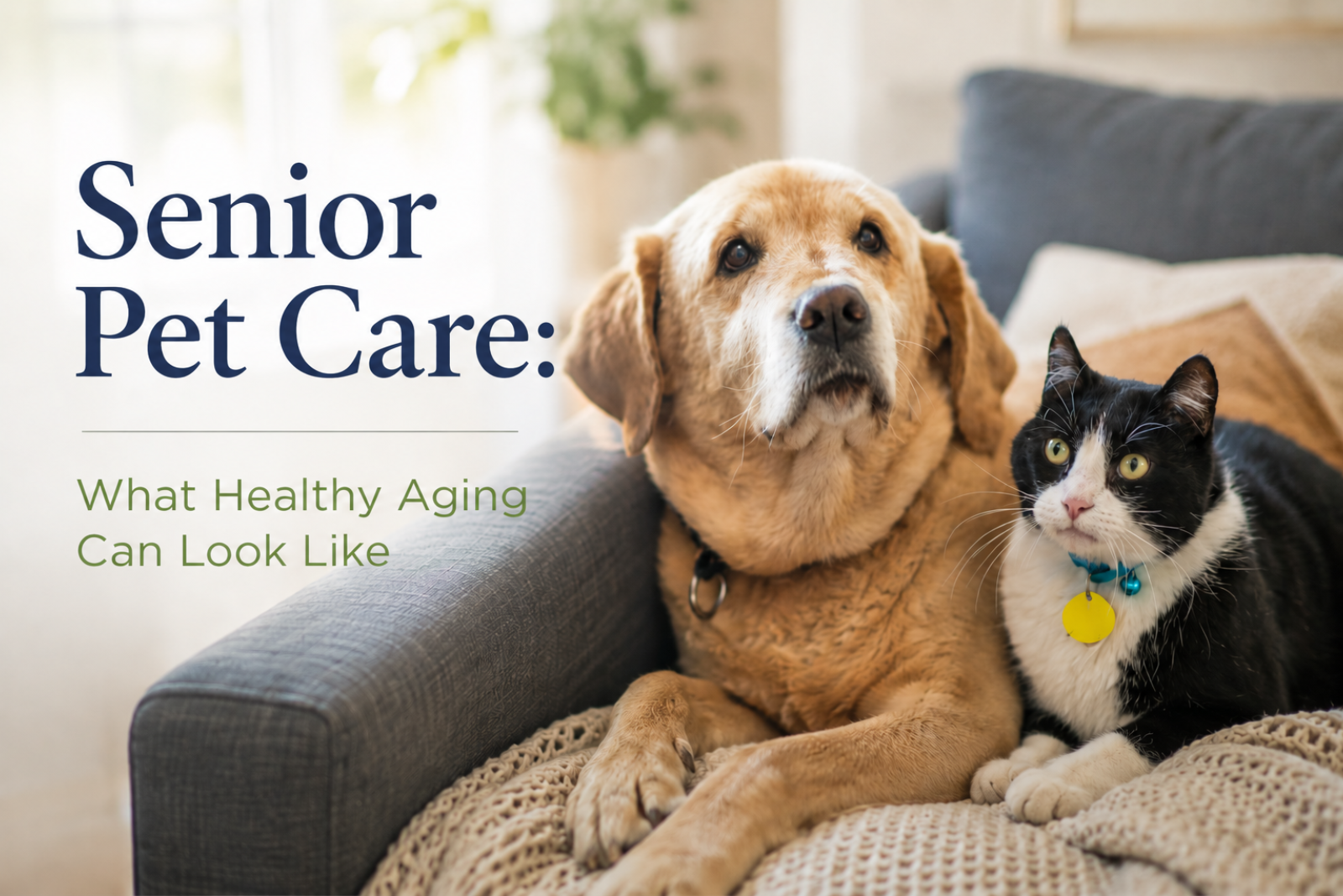
| Overview: Senior Pet Care: What Healthy Aging Can Look Like
When a pet starts slowing down, most people assume it is simply age. But pain, stiffness, anxiety, reduced mobility, and slower recovery are not always just signs of getting older. Often, they are signs that the body needs more support than it is getting. That is what makes senior pet care worth thinking about more carefully. In this article, we’ll look at:
If this is a topic close to home, our article Holistic Senior Pet Care Tips to Help Older Pets Live Longer, Stay Happy is also worth exploring. |
Why aging is only part of the story for senior pets
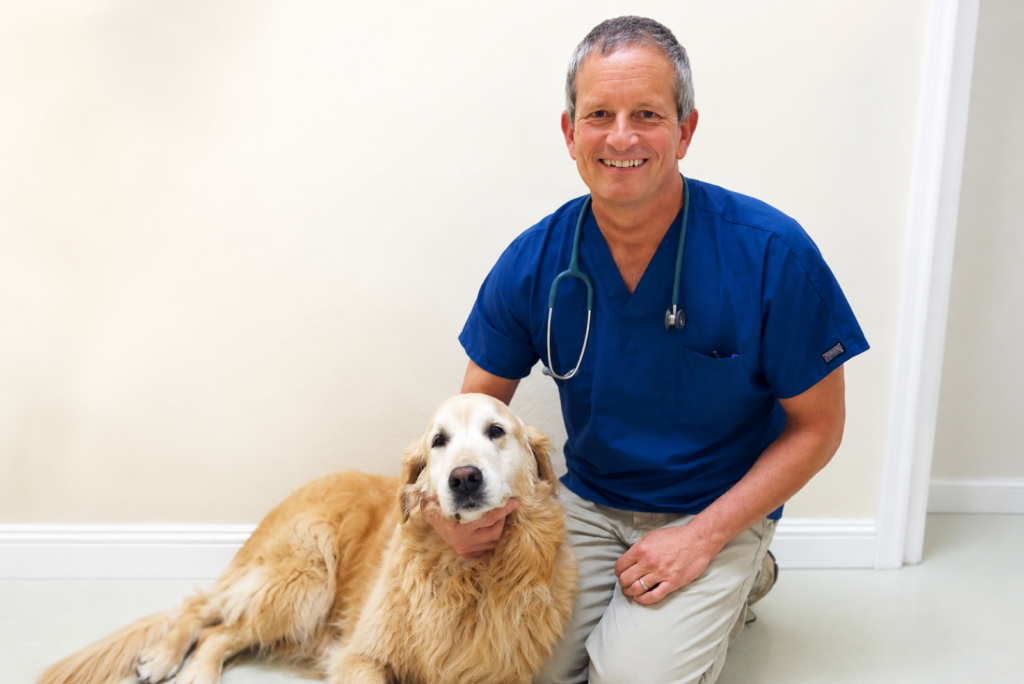
To help frame this conversation, it helps to hear from Dr. Kevin Tolman (seen above with his beloved golden retriever), a veteran small-animal veterinarian and founder of Helping Pets Live Longer, who joined Dr. Rob on the Pain Free For Life Podcast to discuss longevity-minded care for dogs and cats. After decades in clinical practice, Dr. Kevin has become a strong advocate for helping pets age with more comfort, mobility, and support, rather than treating decline as inevitable.
You can watch that inspirational conversation here:
As Dr. Kevin explains, one of the biggest misconceptions pet owners hold is that aging itself is the disease. In many cases, what people assume is “just age” may also involve pain, stiffness, inflammation, poor recovery, metabolic strain, anxiety, or environmental stress that has been building over time.
That matters because it changes the way you look at your pet.
Instead of assuming decline is inevitable, you start asking better questions.

What often makes older pets decline faster
For many pets, the issue is not age alone. It is an accumulated strain. Dr. Kevin points out that repeated jumping, slipping, stair use, and lateral stress can quietly wear down joints and spines over time, especially in larger dogs prone to orthopedic issues. What seems small in the moment can become significant through repetition. A slick floor. Jumping off the couch and going up and down stairs all day.
It adds up.
That idea fits what many pet owners already see at home. A dog that hesitates before jumping into the car. A cat that seems stiffer after getting up from a nap. A pet that used to move easily but now looks cautious, guarded, or less willing to do ordinary things.
This is one reason supportive care matters earlier than most people think.
Why food, weight, and movement matter for senior pet care

Food matters more than many pet owners realize. Dr. Kevin makes two especially useful points here. First, across species, one of the most consistent findings in longevity science is that calorie excess shortens healthy lifespan, while more careful feeding may help extend it. Second, the quality of food matters too. He speaks about the difference between convenient processed diets and fresher, more intentional feeding choices that better support long-term health.
That does not mean every pet owner needs to become a pet nutrition expert overnight. It does mean that overfeeding, poor-quality food, and food choices that do not support the body well may speed up the very patterns people then blame on age.
Movement matters too, but not in a “more is always better” sense. For older pets, the goal is not intensity. It is steadier comfort, better circulation, preserved mobility, and less unnecessary strain.
For many pet owners, the first helpful changes are also the simplest: slightly less food, better traction, fewer jumps, and a closer look at whether discomfort is shaping behavior more than anyone realized.
How microcurrent therapy helps pet aging
Microcurrent therapy is often discussed as a gentle way to support the body’s own communication systems. In animal care, that may mean support around pain, circulation, mobility, tissue comfort, and the broader effort to help a pet feel more like themselves again.
In practical terms, people often seek support for joint discomfort, stiffness, recovery, mobility, and the sense that an older pet is no longer moving or behaving as they once did.
What makes this especially compelling is that older pets do not always need more intensity.
Often, they need more support.
A real microcurrent success story: George and Suki

One Pain Free For Life client, George Measel of Thailand, experienced this firsthand when his 13-year-old cat, Suki, suffered a severe leg injury that exposed muscle and tissue.
George had already been using his Avazzia Genesis II to support a variety of health concerns and reached out to his Treatment Coordinator, Andria, for guidance. Following her recommendations, he began using microcurrent protocols to support Suki’s recovery.
According to George, improvements began within the first week.
After five days, veterinarians were able to suture and staple the wound. Healing continued steadily from there, and within a few weeks the wound had closed and looked remarkably normal.
What stood out most to George was the reaction from the veterinary team. Given how serious the injury initially appeared, they were reportedly amazed by the healing timeline and recovery progress.
As George later described the experience:

Stories like George’s help illustrate why so many pet owners look beyond age alone and start asking what additional support might be available when a pet is struggling with recovery, mobility, comfort, or quality of life.
There are also a few accessories that can make this kind of support easier to apply in real life.
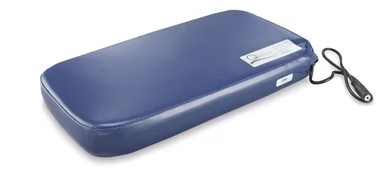
The Qi Wave PEMF Pad is especially useful for passive support. It can be slipped under a pet’s bed or favorite resting spot to provide gentle PEMF support that may help with pain, inflammation, circulation, relaxation, and recovery. For animals who do best when support feels calm and unobtrusive, this can be a very practical option.
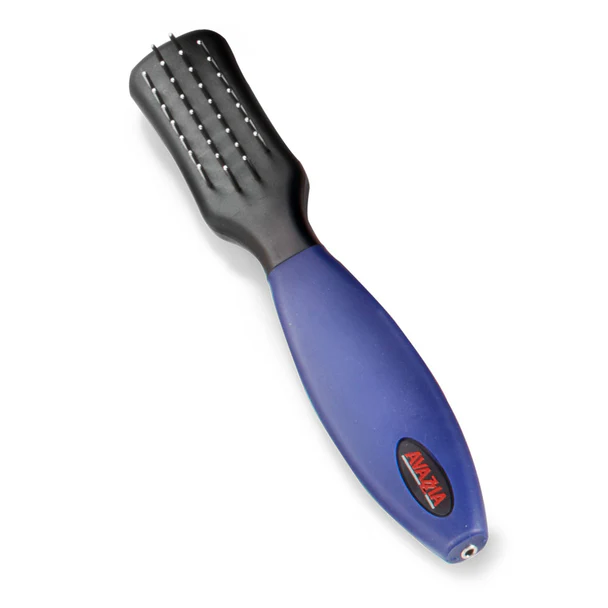
Another helpful tool is the Brush Electrode, which makes it easier to deliver microcurrent through the hair coat without shaving. That can be especially useful for aging or injured pets who need calming, scalp-accessible treatment but may not tolerate more awkward setups. It is a simple accessory, but one that can make regular treatment feel far more manageable.
Please note: The Qi Wave PEMF Pad and Brush Electrode are accessories designed for use with our line of Avazzia Life microcurrent devices. They are not standalone devices.
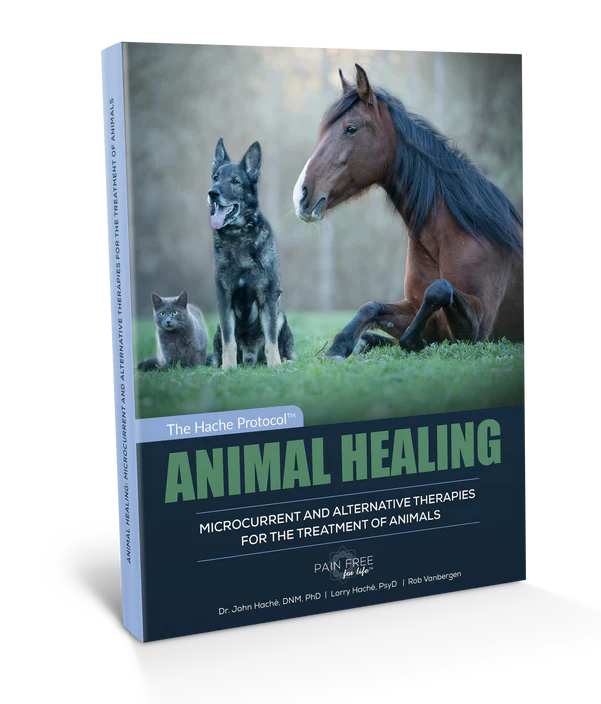
Another community favorite, Animal Healing: Microcurrent and Alternative Therapies for the Treatment of Animals, can be a great addition to any pet-loving home. It gives pet care takers a more focused look at how microcurrent and related approaches may fit into animal care.
And for those who want more hands-on guidance, our Microcurrent for Pet and Animal Health Lab offers a deeper educational experience. Inside, Dr. Rob walks through practical ways to support pet and animal health using microcurrent, light therapy, and PEMF, with lifetime access to the replay so you can revisit the material anytime.
What holistic senior pet care can look like

Supportive care does not have to mean doing everything at once. It may mean noticing that your pet is more anxious than they used to be and realizing that emotional stress affects the body, too. Ot it could mean making the floor easier to walk on.
If anxiety is part of the pattern, our article on Natural Anxiety Treatments for Pets is worth reading.
And if you want a more general foundation for caring for older animals, our Holistic Senior Pet Care Tips article can help connect the dots more clearly.
The point is not perfection. The point is helping your pet feel more supported in the life they are already living.
If you want a broader overview of pet support through the PFFL lens, our free report, Your Healthy, Happy, Holistic Pet, is another strong next read.
A gentler way to think about pet aging
It can be heartbreaking to watch a pet age.
The changes are often gradual enough that you second-guess yourself at first, and then one day you realize something has shifted. They are slower getting up. Less eager to jump. More hesitant. Less comfortable in ways that are hard to explain.
That is why this conversation matters now.
Healthy aging is not about pretending time is not passing. It is about refusing to treat discomfort, pain, anxiety, and reduced vitality as the only possible path forward. There is often more room to support the body than people realize.
Frequently Asked Questions
What is the biggest misconception about aging in pets?
A common misconception is that aging itself is the disease. In many cases, what people label as “just getting old” may also involve pain, stiffness, inflammation, poor mobility, anxiety, or accumulated lifestyle strain.
Can older pets stay comfortable and active longer?
In many cases, yes. Better food choices, healthier weight, less repetitive strain, a more supportive home setup, and thoughtful care may all help pets stay more comfortable and functional as they age.
How does weight affect pet longevity?
Excess weight can increase the burden on joints, mobility, and metabolic health. Dr. Kevin points to calorie excess as one of the most consistent factors shortening healthy lifespan across species.
Is microcurrent used for pets?
Yes. Pet owners and practitioners use microcurrent therapy as part of a broader support plan for comfort, circulation, tissue support, and mobility.
Can microcurrent therapy be used for horses?
Yes. Many people explore microcurrent therapy for horses as part of a broader support plan for comfort, circulation, mobility, and tissue healing. If equine support is part of your world, our article on equine wound healing is a helpful next read.
What can make mobility decline faster in older pets?
Repeated jumping, stair climbing, slipping, poor traction, excess weight, and accumulated orthopedic strain can all contribute to a faster decline, especially in larger or overweight pets.
What is a good first step if my pet seems older?
Start by looking at the basics: comfort, movement, food, home setup, anxiety, and daily routine. Often, a few thoughtful changes can reveal that the problem is not as fixed as it first seemed.
A more supported approach to pet aging
If this article helped you look at your pet’s aging a little differently, stay with that.
Sometimes the most meaningful shift is not a dramatic intervention. It is the quiet decision to stop treating discomfort as inevitable and start asking more thoughtful questions about what your pet may need now.
A little more support and attention on how daily life is set up.
That is often where better aging begins, for us and for the animals who share our lives so closely.
If you want to keep learning, exploring, and finding more supportive ways to care for your pet, the Pain Free Living Lab is a good next step.
Sources cited:
Study probes how eating less can extend lifespan: https://www.sciencedaily.com/releases/2024/10/241009121347.htm
Genetic, epigenetic, and environmental factors influencing dog lifespan: a systematic review: https://vetsci.org/pdf/10.4142/jvs.25215
Lifespan of companion dogs seen in three independent primary care veterinary clinics in the United States: https://pmc.ncbi.nlm.nih.gov/articles/PMC7386164/