




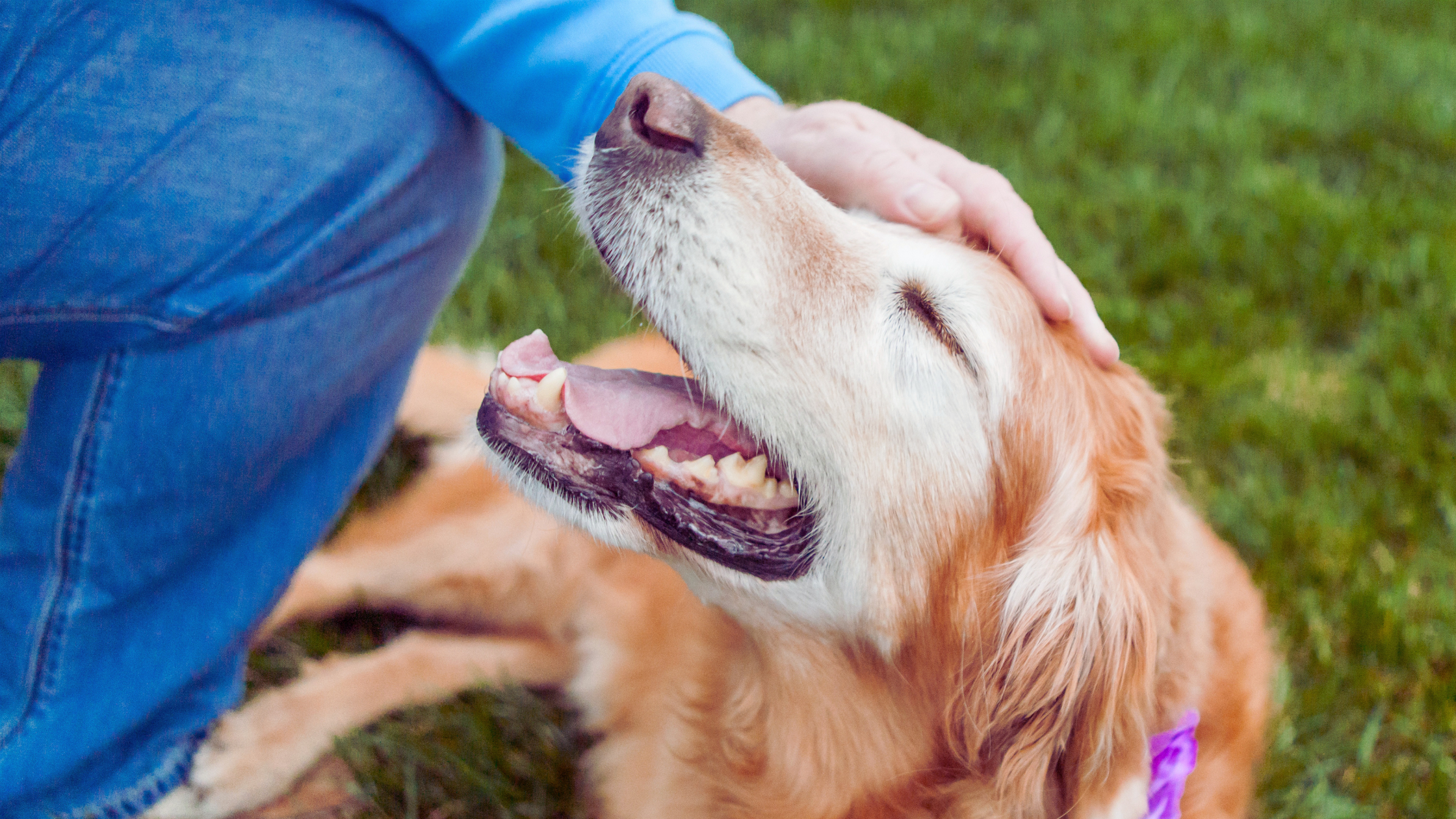
Is Your Senior Pet in Pain? Signs Older Dogs and Cats May Be Hurting
How to recognize changes that may be more than “just getting older,” and where comfort, veterinary care, and microcurrent may fit
No one likes to think about a beloved pet growing older. But aging is a fact of life for animals as well as people, and many of us find that a pet’s later years become some of the most precious.
By the time your pet reaches senior status, your bond has developed into a beautiful friendship. You know each other’s quirks, routines, favorite places, and ways of communicating. Your older animal friend may not be up for exactly the same adventures as when they were young, but there is something wonderful about the familiarity and devotion that come with all those years together.
That familiarity can also make you one of the best people to recognize when something has changed.
Maybe your dog hesitates before climbing the stairs that never used to be a problem. Your cat has stopped jumping onto a favorite windowsill. A pet who once followed you from room to room spends more time resting, or an animal who always enjoyed being touched suddenly pulls away when you reach for a particular area.
It is easy to see changes like these and think, Well, they’re getting older.
Sometimes age is part of the explanation. But slowing down and living with untreated pain are not the same thing.
Veterinary senior-care guidelines specifically caution that changes owners interpret as normal aging can sometimes be signs of chronic pain. Because those changes may develop gradually, learning what to watch for can make an enormous difference in your pet’s comfort and quality of life.
Overview: When “Getting Older” May Actually Be Pain
Animals cannot tell us that their hip aches after a walk, their mouth hurts when they chew, or getting up from the floor has become uncomfortable. Instead, they communicate through changes in movement, appetite, grooming, sleep, posture, social behavior, and the activities they choose to avoid.
Those changes can be particularly subtle in an older animal because we expect senior pets to slow down. A dog who gradually takes shorter walks or a cat who stops jumping onto high furniture may simply appear to be showing their age when pain or another health concern is influencing the change.
The good news is that recognizing pain gives us an opportunity to do something about it. Veterinary treatment, changes around the home, appropriate movement, weight management, nutrition, rehabilitation, and supportive therapies can all have a place depending on what is causing the discomfort.
In this article, we’ll explore:
- Why pain can be difficult to recognize in older pets
- Which changes in movement and behavior deserve attention
- Why arthritis is common but not the only possible source of pain
- How dental disease and other health problems can affect comfort
- Simple ways to make everyday life easier for an aging animal
- Where microcurrent may fit into a senior pet’s pain-management plan
- How to learn pet-specific microcurrent techniques through Pain Free For Life
For a broader look at nutrition, preventive care, activity, and the many other pieces of aging well, visit our Senior Pet Care: What Healthy Aging Can Look Like guide. Here, we’re going to concentrate on one of the most important things you can do for an animal who has spent years by your side: learn how they may be telling you that something hurts.
Why Older Pets Can Be Hard to Read
One of the challenges of caring for animals is that pain does not always look the way we expect. Some pets vocalize when something hurts, but many don’t. Chronic pain in particular may show itself through gradual changes in ordinary behavior rather than an obvious cry for help. Veterinary pain guidelines emphasize that owners may overlook these changes precisely because they develop slowly or seem like ordinary aging. This is where knowing your animal becomes incredibly useful.
You know how enthusiastically your dog normally heads toward the door when the leash comes out. You know where your cat likes to sleep, how high they normally jump, how they groom themselves, and whether they enjoy being picked up. When those familiar patterns begin changing, pay attention. For example, an older dog may still want to go for a walk but begin lagging behind halfway through. A cat may still get onto the bed but start using a chair as an intermediate step. Another pet may take longer to stand after sleeping, repeatedly reposition before getting comfortable, avoid slick flooring, or become reluctant to use stairs.
None of these observations tells you exactly what is wrong, but they give your veterinarian useful information about how your pet’s function has changed.
Signs Your Senior Pet May Be in Pain
The original version of this article included a list of pain signs such as limping, restlessness, panting, behavior changes, excessive grooming, and aggression. Those remain worth watching, but today we can make the list much more useful.
Possible signs of pain in an older dog or cat can include:
- Limping, stiffness, or favoring one leg
- Taking longer to stand after lying down
- Reluctance to climb stairs, jump, run, or play
- Difficulty getting into a car or onto furniture
- Changes in posture or the way your pet walks
- Restlessness or repeatedly changing position before settling
- Panting when heat or activity does not explain it
- Whining, whimpering, yowling, or other changes in vocalization
- Flinching or pulling away when touched
- Irritability, aggression, hiding, or reduced interest in social interaction
- Changes in appetite or drinking
- Changes in grooming, including grooming less or repeatedly licking one area
- Difficulty getting into or positioning inside the litter box
- Changes in sleep or nighttime restlessness
- Loss of interest in activities your pet normally enjoys
Cats deserve particular attention because changes may be extremely subtle. A cat with joint pain may not limp dramatically. Instead, you may notice that they no longer jump onto a counter, spend less time grooming difficult-to-reach areas, hesitate before entering the litter box, or choose sleeping spots that are easier to reach.
What matters most is a change from your pet’s normal behavior.
Don’t Assume It’s Arthritis
Arthritis is common in older animals and is an important source of chronic pain, stiffness, and reduced mobility. If your dog has become reluctant to walk or your cat has stopped jumping, joint discomfort certainly belongs on the list of possibilities.
But it should not be the automatic answer to every change in an aging pet. Dental disease can make chewing painful. Spinal or nerve problems may change movement. An injury can occur at any age. Cancer, urinary disease, digestive problems, eye conditions, infections, and other illnesses can also cause discomfort or changes in behavior. This is one reason a new or persistent change deserves veterinary evaluation rather than simply being accepted as part of aging.
If arthritis does turn out to be part of the problem, our guide to microcurrent therapy for arthritis in dogs and pets looks specifically at joint discomfort, mobility, and where microcurrent may fit alongside appropriate veterinary care.
Watch What Your Pet Can Do
One of the best ways to recognize chronic pain is to pay attention to function rather than waiting for an animal to look obviously distressed.
Ask yourself what your pet could comfortably do six months ago that has become difficult today.
Can your dog still finish the usual walk without falling behind? Can they rise easily from their bed? Does your cat still jump onto the same furniture? Can they get into the litter box without struggling? Are they playing, grooming, eating, and interacting with the family in familiar ways? These observations can also help your veterinarian.
The American Animal Hospital Association recommends that owners consider taking videos of senior pets moving and interacting in their normal environment. A short recording of your dog walking, getting up, using stairs, or your cat jumping can sometimes reveal changes that are difficult to reproduce during an examination at the veterinary clinic. Videos can also provide a useful comparison over time. This is a simple habit I particularly like because you already have the equipment in your pocket. Every few months, record your older pet doing a few ordinary things. You are not trying to diagnose them yourself. You are creating a record of how they move when they are comfortable at home, which can become valuable if something begins to change.
Make the Home Easier on an Aging Body
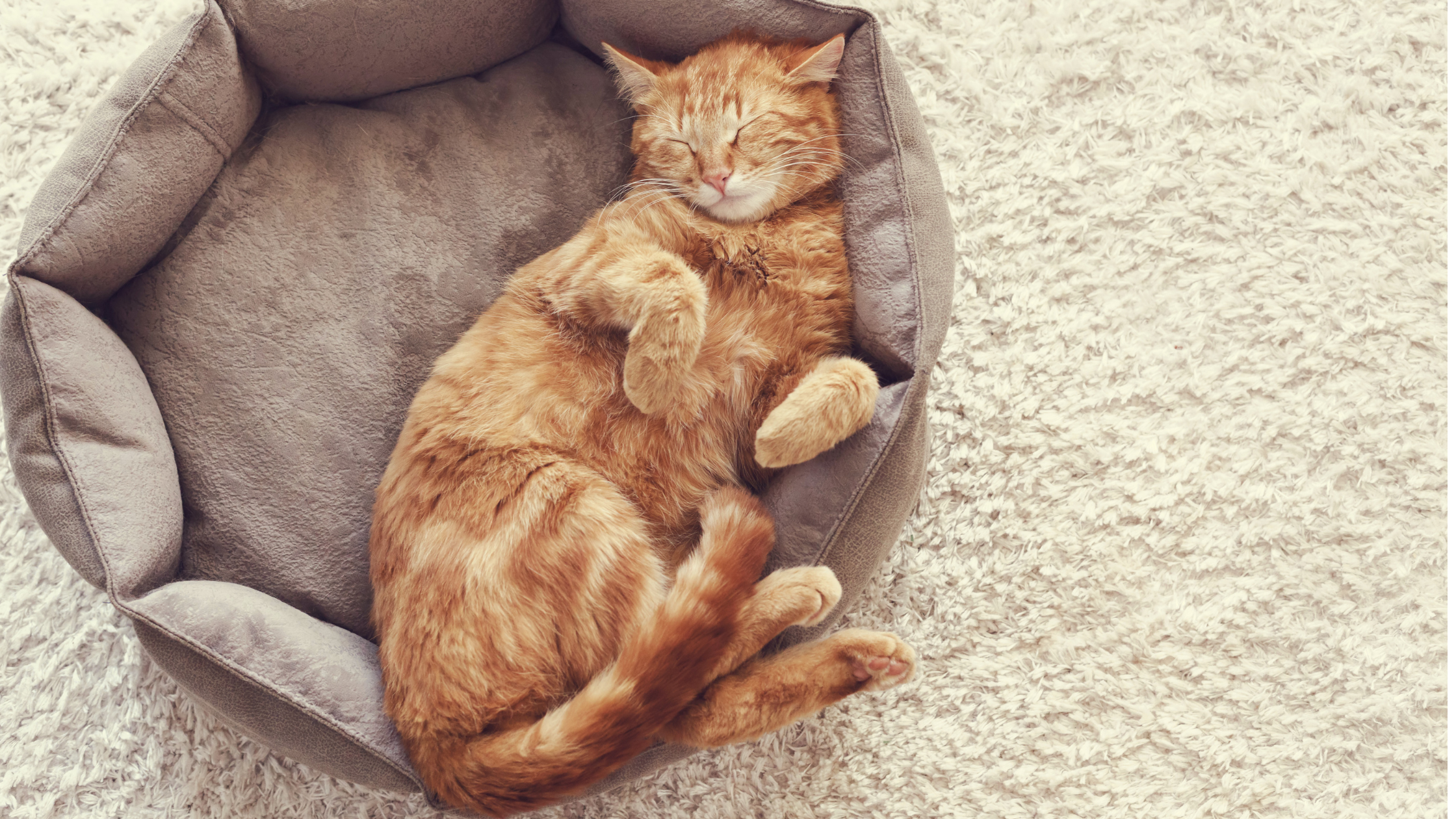
Sometimes a few thoughtful changes can make everyday life considerably more comfortable for an older pet.
If slick flooring makes your dog hesitant, nonslip runners or mats can provide better footing. Ramps or pet steps can reduce the need to jump onto furniture or into a vehicle, while a low-entry litter box may be easier for a cat with painful hips or knees.
Bedding matters, too. An older animal who spends more time resting may appreciate a supportive bed that cushions sore joints and makes getting up easier.
Food and water should also be easy to reach. If your pet has difficulty with stairs, requiring several trips up and down each day to reach a bowl, litter box, or sleeping area may create an unnecessary obstacle.
These accommodations are not “giving in” to aging. They help your pet continue participating in everyday life while you address the reason movement has become more difficult.
Keep Them Moving, but Respect What Has Changed
The original version of this article made an important point that is still worth keeping: older pets still need movement.
Regular, appropriate activity helps maintain muscle, mobility, balance, cardiovascular health, and mental stimulation. For an animal with arthritis or another painful condition, maintaining strength can also help support the joints and preserve function.
The amount may need to change.
A dog who once happily hiked for two hours may do better with several shorter walks. An older cat may prefer play that happens closer to the floor. Some animals may benefit from veterinary rehabilitation, therapeutic exercise, or other professionally guided movement.
Pay attention to what happens after activity as well as during it. If your pet completes a long walk but spends the remainder of the day struggling to rise or seems substantially worse the following morning, the activity may have exceeded what their body can comfortably recover from.
The goal is to help your senior pet keep moving without repeatedly creating a setback.
Don’t Forget About Dental Pain
Dental health deserves more attention in older pets because mouth pain can be remarkably easy to miss.
A pet may keep eating despite painful teeth or gums, especially when hunger outweighs the discomfort. You may instead notice slower eating, dropping food, chewing on one side, avoiding harder foods, pawing at the mouth, bad breath, reduced appetite, or a new reluctance to have the face touched.
Dental disease can become painful and requires veterinary care. Senior wellness examinations often include a dental assessment for this reason.
If your older pet’s eating habits suddenly change, don’t assume they have simply become picky.
Comfort Is Part of Good Senior Care

By the time an animal reaches their later years, comfort deserves to become a deliberate part of the care plan.
That may include a better bed, shorter walks, easier access to favorite places, veterinary pain management, rehabilitation, weight management, or treatment for an underlying disease.
It may also mean protecting routines.
Changes in hearing, eyesight, cognition, and mobility can make an older animal less adaptable than they once were. Keeping food, water, beds, and litter boxes in familiar and accessible locations can help reduce unnecessary stress. If vision is declining, avoiding frequent furniture rearrangement can make navigating the home easier.
Our holistic senior pet care guide explores these broader lifestyle considerations in more detail.
The important thing is to stop thinking of comfort as something we provide only at the very end of an animal’s life. Comfort is part of helping an older pet continue enjoying life.
Where Microcurrent May Fit for an Older Pet
Microcurrent therapy has been used with animals for many years, and this is an area that remains especially close to the work we do at Pain Free For Life.
Microcurrent uses very low levels of electrical current and can be incorporated as a supportive therapy for pain, mobility, nervous-system regulation, injuries, and recovery depending on the animal and the problem being addressed.
For a senior pet, that might mean working with an arthritic joint or another painful area after it has been properly evaluated. It may also involve nervous-system-focused treatment when stress or anxiety is part of the picture.
The treatment should follow the animal’s needs rather than simply treating “old age.”
A dog with knee arthritis may require a different approach from a cat experiencing anxiety or an animal recovering from surgery. Older pets may also have kidney, heart, liver, neurological, or other health conditions that need veterinary management, so microcurrent should complement that care rather than replace it.
If you are already using an Avazzia Life microcurrent device, this is one of those areas where learning the pet-specific protocols can make a tremendous difference in how confidently you use the technology.
Learn How to Use Microcurrent With Your Pets
If you have ever wondered whether the microcurrent tools you use for yourself can also become part of the way you care for your animals, we created an entire training around that question.
In the Microcurrent for Pet Health Lab, Dr. Rob Vanbergen, DNM, PhD, teaches how microcurrent and other energy-medicine tools may be incorporated into care for dogs, cats, horses, livestock, and other animals.
The training goes well beyond senior-pet pain. Dr. Rob explores the animal body electric and practical approaches involving injuries, mobility concerns, stress and anxiety, meridian work, and other health challenges, along with the use of microcurrent, PEMF, light therapy, and scalar technologies.
Because the training and associated materials are available for ongoing access, you can return to the information as your animal’s needs change.
For someone caring for an older pet, that can be particularly valuable because senior care rarely involves one concern forever. What begins as occasional stiffness may eventually require a different mobility plan, while stress, recovery, or another health concern may become more important later.
Explore the Microcurrent for Pet Health Lab to learn how these tools can be used more thoughtfully with the animals in your life.
Growing Older Doesn’t Mean Giving Up the Good Years

One of the lovely things about living with an older animal is how well you eventually know each other.
You know the difference between the bark that means someone is at the door and the one that means I need you. You know which chair belongs to the cat even though you technically bought it for yourself. You know the favorite walking route, the preferred sleeping spot, and exactly how long dinner can be delayed before a formal complaint is filed.
That history is also what makes you so important to your pet’s health.
You are often the first person who will notice that getting up has become harder, a favorite activity has disappeared, appetite has changed, or your animal simply doesn’t seem like themselves.
Pay attention to those changes without assuming that every one of them is inevitable.
Aging will change what your pet can do, and some accommodations will naturally become part of life together. But pain, disease, and significant loss of function deserve attention rather than being accepted simply because an animal has accumulated a few gray hairs.
Veterinary care, nutrition, appropriate movement, a comfortable environment, pain management, and supportive tools such as microcurrent can each help an older animal keep enjoying the life you’ve built together.
Those later years really can be some of the most precious.
The goal isn’t to make your senior pet young again. It’s to help them remain comfortable, engaged, mobile, and unmistakably themselves for as long as possible.
We’re Here to Help
Have questions about microcurrent therapy, pet-specific resources, or using an Avazzia Life microcurrent device with the animals in your life? Our team is here to help and will respond within 48 business hours.
Looking for microcurrent devices, conductive accessories, books, and other wellness tools? Shop The Sana Shop to explore the current collection.
Our Support Team is available Monday through Friday, 9:00 a.m.–5:00 p.m. Pacific.
Call: 1-888-758-0851 in North America or 415-688-2045 internationally.
Email: support@painfreeforlife.com
Text: +1 (415) 688-2045 for quick questions about current device availability, sales, and pricing.
For additional education on microcurrent therapy, pain, recovery, and whole-body wellness, visit the Pain Free Living Lab.
Sources Cited
American Animal Hospital Association. Pain Management: 2023 AAHA Senior Care Guidelines for Dogs and Cats. https://www.aaha.org/resources/2023-aaha-senior-care-guidelines-for-dogs-and-cats/pain-management/
American Animal Hospital Association. Evaluating the Healthy Senior Pet. https://www.aaha.org/resources/2023-aaha-senior-care-guidelines-for-dogs-and-cats/evaluating-the-healthy-senior-pet/
American Animal Hospital Association. How to Assess Your Senior Pet’s Quality of Life. https://www.aaha.org/resources/how-to-assess-your-senior-pets-quality-of-life/
American Animal Hospital Association. What’s Wrong? Common Pet Pain Signs. https://www.aaha.org/resources/whats-wrong-common-pet-pain-signs/