





| Overview: Discover Microcurrent Pain Therapy for Chronic Pain Relief, A Plain-Language Guide
Microcurrent pain therapy uses very low-level electrical current to support the body’s natural repair signals. This guide explains what it is, how it works, and what to expect if you are exploring it for chronic pain relief.
If you want a gentle, non-invasive option to support chronic pain relief, microcurrent may be worth exploring with realistic expectations and a steady plan. |
Understanding Chronic Pain: Cause and Effect
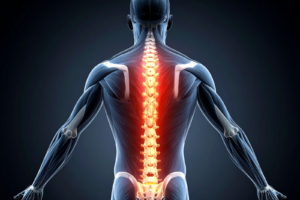
Chronic pain is not just pain that lasts longer than it should. For many people, it becomes a pattern that the body gets stuck in. Sometimes the driver is obvious, such as arthritis, nerve irritation, or an old injury. Other times, it is layered. Inflammation stays elevated. Muscles stay braced. Sleep gets lighter. The nervous system gets more sensitive, and pain becomes easier to trigger and harder to calm.
That is why chronic pain affects more than comfort. It can change how you move, how you sleep, and how much energy you have to work with. It can shrink your day, not because you are weak, but because your body is constantly making protective calculations. Over time, people often fall into a frustrating loop. Pain limits movement. Less movement reduces resilience. Less resilience increases reactivity. Then even small stressors can feel like big setbacks.
Most people start with conventional options like medication, physical therapy, and procedures. Those can be appropriate and sometimes necessary. Many people also want supportive tools that help the body recover and regulate, not just cover symptoms. That is where microcurrent therapy comes into the picture, as a gentle, non-invasive option many people explore as part of a broader plan.
If you prefer a steady stream of education, you can come back time and time again; subscribe to our Pain Free Living Magazine.
How Microcurrent Pain Therapy Works
As we mentioned, your body runs on electrical communication. Nerves fire electrically. Muscles contract electrically. Cells depend on electrical balance to bring nutrients in, clear waste out, and coordinate repair.
Microcurrent therapy uses very small electrical current, measured in microamperes. That current is so low that many people do not feel it during a session. Instead of “stimulating” the body in a strong way, microcurrent works with the body’s natural signaling, especially in areas that feel irritated, inflamed, or slow to recover.
The Connection Between Microcurrent and ATP
View this post on Instagram
You will often hear microcurrent discussed alongside ATP, which stands for adenosine triphosphate. ATP is the energy your cells use to do their work. When tissue is under long-term strain, cellular energy and communication can become less efficient. People use microcurrent therapy to support ATP production and clearer repair signaling, which is one reason people explore it for both discomfort relief and recovery support over time.
Microcurrent is also used with the nervous system in mind. With chronic pain, the system can become sensitized. That means pain signals can amplify more easily and take longer to settle. Gentle, consistent input via microcurrent therapy can help support calmer signaling and a steadier baseline, especially when stress and poor sleep are present.
Benefits of Microcurrent Pain Therapy
One of the biggest reasons people explore microcurrent is that it is non-invasive. There are no injections, no incisions, and no recovery time. For many people, that alone makes it feel like a more approachable next step.
Microcurrent is also valued because it is typically used to support the body’s recovery processes rather than just cover symptoms. Some people notice changes quickly. Others notice gradual shifts first, like better sleep, less bracing, easier movement, fewer flare days, or faster recovery after activity. Those early changes matter because they often signal that the body is becoming less reactive.
Another benefit is flexibility. Microcurrent can be used on a focused area, such as a shoulder, jaw, knee, low back, or scar site. It can also be used as part of a broader support approach when the bigger pattern includes inflammation, nervous system overload, or poor recovery.
As always, microcurrent is meant to complement appropriate medical care, not replace it when evaluation or treatment is needed. If you’re exploring at-home options, you can browse devices and accessories through The Sana Shop.
Conditions Treated With Microcurrent Therapy
Microcurrent therapy works for a wide range of pain and recovery needs, which is one reason so many people explore it when they want something gentle and non-invasive. Because microcurrent can be applied to muscles, joints, nerves, and soft tissue, it fits both targeted pain situations and broader recovery plans. Most people come to microcurrent because they want steadier function over time, not just short-term symptom coverage.
Microcurrent for Musculoskeletal Pain and Inflammation
Common conditions include arthritis, tendonitis, bursitis, repetitive strain, and general back, neck, shoulder, hip, or knee pain. These patterns often involve inflammation, tightness, and tissue strain that can make movement feel restricted. Microcurrent is commonly used to support cellular repair signals, circulation, and healthier inflammatory balance, which is why many people report that mobility becomes easier and discomfort becomes more manageable with consistent use.
Microcurrent for Sports Injuries and Recovery Support
Energy medicine solutions like microcurrent therapy are also widely used to treat athletic injuries such as sprains, strains, and bruising, as well as lingering “old injury” patterns that are never fully resolved. In these cases, people often use microcurrent to improve comfort, reduce swelling, and promote more consistent tissue recovery.
Microcurrent for Nerve-Related Pain Patterns
Conditions like sciatica, diabetic neuropathy, peripheral neuropathy, nerve entrapment patterns, and trigeminal neuralgia can create discomfort that feels sharp, electrical, burning, or unpredictable. Microcurrent is often used to support calmer nerve signaling and recovery capacity, especially when the nervous system has become sensitized. Many people appreciate microcurrent here because it can serve as a supportive layer alongside medical care, physical therapy, or rehabilitation.
Microcurrent for Head, Jaw, and Neck Pain
Another common category includes TMJ tension, clenching, facial tension, headaches, and migraines. The jaw, face, and neck are densely wired areas, and when the body is bracing, these regions often stay tight. Microcurrent is commonly used to support soft-tissue comfort and reduce guarding, which can be especially helpful when symptoms track with stress load and lighter sleep.
Microcurrent for Scar and Post-Surgical Support
When an old incision or injury site feels tight, sensitive, or “stuck,” microcurrent therapy becomes a fantastic solution. Our clients describe a pulling feeling, restricted range of motion, or persistent tension around scar tissue.
Surgical, Wounds, and Infection Support Health Lab

Surgical healing is a dynamic process, and the right inputs can influence how smoothly your body rebuilds and restores. In this live Health Lab, we’ll walk through how to strategically support circulation, tissue repair, and nervous system regulation using microcurrent — with clear education and step-by-step guidance you can apply immediately.
Fibromyalgia and Complex Chronic Pain Patterns
Many people have started to holistically treat their fibromyalgia and other complex pain patterns where widespread discomfort overlaps with fatigue, sleep disruption, and a system that feels easily flared with microcurrent. The goal here is rarely intensity. It is usually steadier regulation over time. Many people explore microcurrent because it can be paced carefully and fits well within a nervous-system-informed approach.
Please remember: microcurrent can be a helpful, supportive tool, but it is not a substitute for medical evaluation when symptoms are severe, rapidly changing, or involve red flags. The best outcomes usually come from a clear diagnosis when needed, a realistic plan, and steady follow-through.
Learn more about how we use microcurrent therapy to help our clients in our blog post 10 Conditions We Treat With Microcurrent Therapy.
Now that you have a clearer sense of what microcurrent is commonly used for, let’s talk about what a session actually looks like and what most people notice first.
Microcurrent Therapy Success Stories
It’s one thing to read about microcurrent. It’s another to see how it shows up in real life, in real bodies, with real schedules and setbacks along the way. Here are a few short quotes from recent case studies, shared with permission, that reflect the kinds of changes people report as they build a steady microcurrent routine.

To hear more triumphant stories of healing and recovery with The Hache Protocol™ and microcurrent therapy, you’re welcome to join us in the Pain Free For Life Support Group on Facebook.
What to Expect During a Microcurrent Therapy Session

Microcurrent therapy sessions are usually much simpler than people expect.
If you’re receiving treatment in a clinic, a provider may start with a quick assessment to clarify your goals and choose an approach that fits your sensitivity level. During treatment, electrodes, pads, or a handheld probe are placed on the skin near the area being supported. Most people do feel the current. It’s often described as a mild tingling, gentle pulsing, warmth, or a light muscle flutter. That sensation matters because it helps connect what you’re feeling to what’s happening in the body, and it can also help confirm contact and placement.
Sessions can range from a few minutes up to about an hour, depending on the goal, the protocol, and the tools being used. Multiple sessions are often recommended for best results, especially when pain patterns are long-standing.
Some people notice changes right away. More often, people notice gradual shifts first, especially in sleep, tension, and recovery. Those early changes matter. They often signal the body is becoming less reactive and more resourced.
What At-Home Microcurrent Looks Like

At home, microcurrent is much the same. You’re simply the one applying the pads or using the probe. The biggest difference is that your results depend on having a clear, repeatable plan.
Most people do best when they:
- Start with one main goal (pain pattern, sleep, nervous system downshift, or recovery)
- Keep sessions simple enough to repeat
- Track a few signals beyond pain (sleep quality, flare frequency, recovery time, tension patterns)
If you’re not sure where to begin, this is a helpful starting point: Passive vs. Active Microcurrent Therapy.
Microcurrent Training Through The Sana Shop and Pain Free For Life
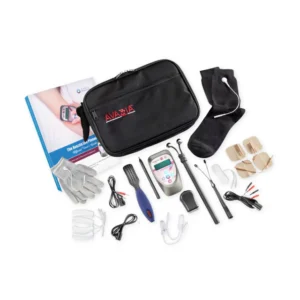
If you’re using microcurrent at home, training and support matter. When you purchase an Avazzia Life microcurrent device through The Sana Shop, you’re not only getting the device. You’re also stepping into a support ecosystem designed to help you use it with more confidence and consistency.
Here’s an example of what that can include with the Avazzia Life Pinnacle Lite.
Your Welcome Offer (Pinnacle Lite)
When you choose the Pinnacle Lite, you get more than just a microcurrent device. You’re getting structured support that helps you follow through.
- Treatment Coordinator support (with membership): Treatment Coordinators help you develop a plan that aligns with your goals, symptoms, and capacity. (An active Hache Protocol Private Membership is required to work with a Treatment Coordinator.)
- 1 year of complimentary membership access: 12 months of access to the membership library and training resources to help you learn your device and apply protocols more consistently.
- Community connection: a VIP Facebook community where beginners and experienced users learn together and stay encouraged.
- Microcurrent QuickStart training: a clear starting point so you feel prepared early on.
- Exclusive e-book bundle: includes The Hache Protocol™, the Current Medicine 3rd Edition eBook, and additional training resources.
If you want professional-grade microcurrent support without a steep learning curve, the Pinnacle Lite is a strong next step.
Is Microcurrent Pain Therapy Right for You?
Microcurrent pain therapy is a gentle, non-invasive option many people explore for chronic pain support, especially when they want something that works with the body’s recovery signals over time. It is commonly used in musculoskeletal pain patterns, nerve irritation patterns, and complex conditions like fibromyalgia, where calmer signaling and steady follow-through often matter more than intensity.
It’s still important to consult a qualified healthcare provider to ensure microcurrent is appropriate for your specific situation, especially if symptoms are new, changing quickly, or raise red flags. A thorough assessment can help identify the main drivers of your pain and ensure any plan you follow is realistic and safe.
If you prefer to learn by listening or watching, you can also explore the Pain Free For Life Podcast or visit our YouTube channel.