





| Overview: What to Expect After Cataract Surgery
For many people, cataract surgery is supposed to bring closure, and life should return to normal. But for many people, that is not how healing feels. The surgery may be complete, yet the eyes still need time, support, and steady care afterward. Recovery is not only about the procedure itself. It is also about what helps the eyes heal well afterward. That is where this conversation becomes more useful. Instead of treating surgery as the whole story, it helps to ask what supports the tissues once the procedure is over, what helps reduce unnecessary strain, and what may make recovery feel steadier and more complete. In this article, we’ll look at:
If you want a broader look at the framework behind this conversation, our companion article, How Microcurrent May Support Circulation, Comfort, and Vision Wellness, is a helpful place to continue. |
What to expect during cataract surgery recovery
Cataract surgery can be life-changing, but recovery still asks a lot of the body. Even when the procedure goes smoothly, the eyes are still living tissue. They still depend on circulation, nourishment, hydration, electrical communication, and time. They still respond to stress, inflammation, poor sleep, and the broader internal environment in which they are healing.
The eyes may be small, but recovery after surgery is still a whole-body event.
For some people, recovery feels fairly straightforward. Vision begins to improve, the eye settles, and healing progresses without much drama. For others, recovery can feel more layered. There may be sensitivity, visual adjustment, fatigue, nervous system stress, or a lingering sense that the eyes still need more support than expected.
That difference matters. It helps explain why some people start looking beyond the usual post-op checklist and ask what else may help the body recover more fully.
What cataract surgery after-care often involves
When people think about cataract surgery aftercare, they usually think first of the standard instructions. Protect the eye. Use the prescribed drops. Rest. Avoid rubbing or straining. Follow the surgeon’s guidance carefully.
But good aftercare is usually bigger than a list of restrictions.
Cataract surgery after care is not only about protecting the eye. It is also about supporting the body as it heals itself.
That may include reducing inflammation, improving circulation, better sleep, and fewer demands on a system already working hard to repair. In other words, aftercare is not only about what you avoid. It is also about what you give the body while healing is underway.
That is one reason so many people feel caught between two conversations. On one side is conventional medical care, which they may absolutely need. On the other is the question of what else may help the eyes feel more supported once the procedure is over. For many people, the best answer is not either-or. It is learning how both kinds of support may work together.
How microcurrent therapy for eyes may fit
This is where microcurrent therapy for eyes becomes relevant.
Microcurrent uses very low-level electrical signals designed to work with the body’s own communication systems. Within the eye-health conversation, it is often discussed in relation to supporting circulation, cellular repair, inflammation support, and healthy electrical communication.
For many people, the question is not whether microcurrent replaces medical care. It is whether it may offer another layer of support.
That distinction matters. Microcurrent should not be framed as a substitute for appropriate surgical care or follow-up. But it may become part of the broader support conversation for people who want to think more carefully about healing, comfort, and tissue recovery afterward.
In practical terms, some people are interested in whether microcurrent may help support:
- Circulation
- Cellular repair
- Inflammation support
- Healthy electrical communication
That is also why eye-specific tools have drawn so much interest. If you want to learn more about the tool itself, you can explore our proprietary Microcurrent Goggles.
If safety is one of your first questions, our article Is Microcurrent Therapy Safe Around the Eyes? is the best next read on that topic.
*Note: Microcurrent goggles work with a compatible Avazzia Life microcurrent device, which powers the treatment.
Annie’s story: Microcurrent eye support

Our client, Annie Cunningham, had been told she would likely need cataract surgery within the year if she wanted to pass her next DMV exam. Her eyes were her main concern. After hearing Dr. Rob speak in a webinar and listening closely to the discussion around eye health, she decided to try microcurrent first.
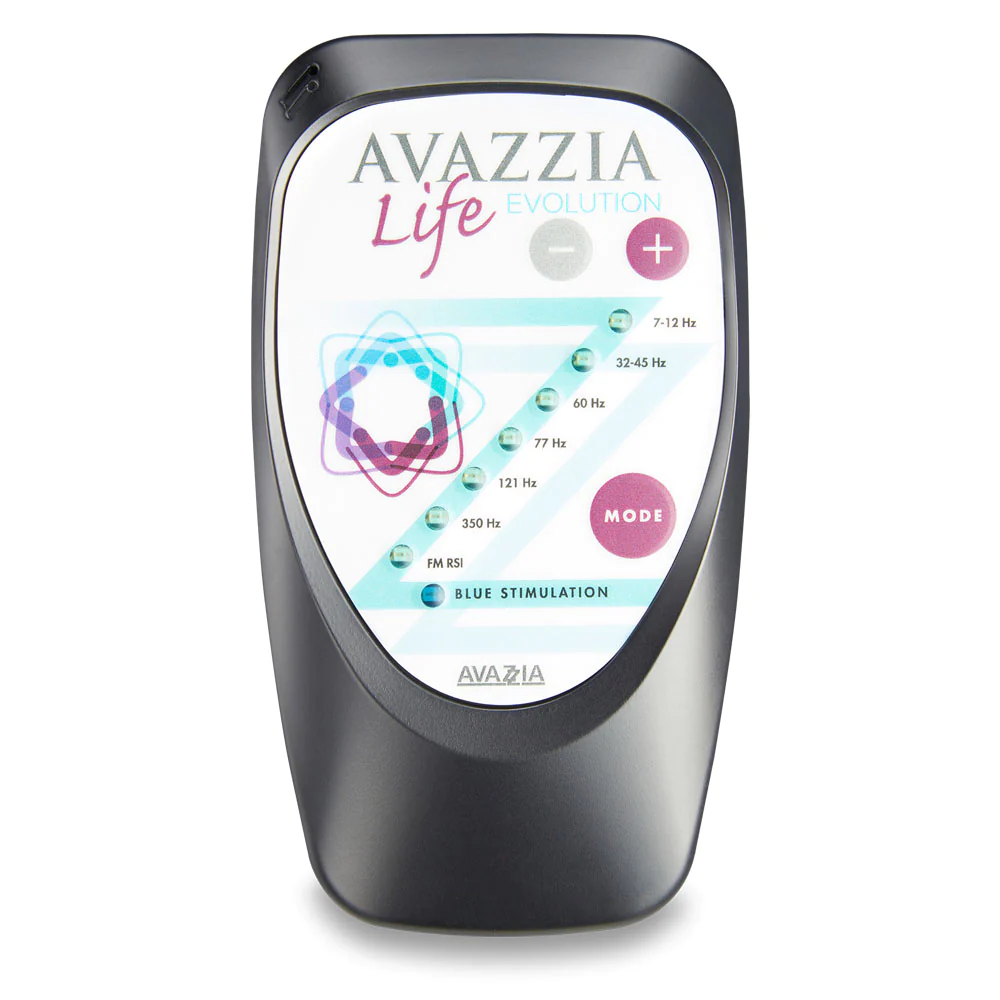
She began using an Avazzia Life Evolution with Microcurrent Goggles and used them consistently several times a week. She later said she noticed changes within the first month. At her next ophthalmology visit, she described her doctor as being stunned by the readings. Years later, she reported that cataract surgery had still not come up again and that her astigmatism was improving.
What makes Annie’s story so useful is that it shows what support can look like when someone finds a tool that fits their needs, uses it consistently, and gives the body time to respond. In her case, the Microcurrent Goggles were not a one-time experiment. They became part of a routine she could return to, and that consistency is part of what makes her experience worth paying attention to.
Read Annie’s entire case study in the June edition of Pain Free Living Magazine. Subscribe here today. (Always FREE)
What can support eye healing after cataract surgery
If someone is recovering after cataract surgery or trying to support eye health more intentionally after a procedure has been recommended or completed, the larger picture still matters.
The eyes do not heal in isolation. What supports the body more broadly often supports the eyes as well.
That may include:
- Better sleep, so the body has more opportunity to repair itself
- Nourishing food, so tissues have what they need to recover
- Inflammation support, so the eyes are not working against the rest of the body
- Consistency, rather than short bursts of effort followed by long gaps
- Calmer approach, so healing has room to naturally unfold
This is also where the Pain Free For Life framework becomes especially helpful. Instead of reducing recovery to a single decision or technique, it asks what kind of environment the body is healing in and what might help stabilize that environment.
Why this matters
What most people want at this point is a clearer sense of what recovery may actually ask of them and what kind of support may help.
Once cataract surgery is over, the questions often change. People want to know what is normal, what is worth paying attention to, and what may help the eyes feel less strained and more supported as healing continues. They are not always looking for more intervention. Often, they are looking for a steadier way to move through what comes next.
That is why this conversation matters. Surgery may be necessary. Medical care may absolutely be part of the picture. But the procedure is not the whole story. The eyes still have to settle, adjust, and heal, and many people want a more grounded understanding of how to support that process without making it more complicated than it needs to be.
If you want to keep exploring this topic, watch Dr. Rob’s video, The Power of Microcurrent for Eye Health, below:
Frequently asked questions
What is cataract surgery recovery like?
Cataract surgery recovery can vary from person to person. Even when the procedure itself goes well, the eyes still need time, circulation, rest, and broader support as tissues settle and heal.
How long does it take to recover from cataract surgery?
That depends on the person, the eyes involved, and the overall healing environment. Some people recover more quickly than others, which is one reason supportive aftercare matters.
What should you avoid after cataract surgery?
Follow your surgeon’s instructions carefully. In general, the goal is to avoid unnecessary strain, protect the eye, use any prescribed drops as directed, and give the body the rest and support it needs during healing.
How long after cataract surgery can you drive?
That depends on your surgeon’s guidance and your individual recovery. Vision changes, healing time, and safety all need to be considered carefully before returning to driving.
Can microcurrent therapy for eyes be used after cataract surgery?
Some people are interested in microcurrent therapy for eyes as part of a broader support plan after surgery. The key is to approach recovery thoughtfully, work within appropriate guidance, and think in terms of support rather than replacement.
What helps the eyes heal after cataract surgery?
Helpful support may include good aftercare, better rest, calmer inflammation, nourishing food, steadier circulation, and consistent habits that reduce unnecessary strain during recovery.
Is microcurrent safe for the eyes?
In general, microcurrent is considered safe around the eyes when used appropriately. If safety is one of your main questions, read Is Microcurrent Therapy Safe Around the Eyes?
Recovery after cataract surgery is not only about what was removed. It is also about what is restored, supported, and protected in the days and weeks that follow. If this article helped you see that bigger picture, let it be a reminder that healing is rarely only about the procedure itself. It is also about how you care for what comes next.