




| Overview: The Question Almost Everyone Asks
A few weeks into microcurrent therapy, most people find themselves asking the same quiet question: “Is this actually doing anything?” It’s a fair question, and an important one. Because here’s what often happens. You’re watching the one spot that hurts, waiting for it to ease, while the real signs of progress are showing up somewhere else entirely. The trouble is, those early signs are so ordinary and so gentle that they’re easy to walk right past. In this article, we’ll help you learn to spot them. Specifically, we’ll cover:
|
Why the first signs of healing show up where you least expect
Imagine you’ve been nursing a sore lower back for years. Naturally, your attention goes straight there. You bend down to tie your shoe and think, “Still hurts.” You sit through a long meeting and plan for the ache. That spot becomes the whole story. But your body doesn’t necessarily heal in the order you’d expect. The back might be the last thing to resolve, while the first real changes turn up in your sleep, your energy, or how calm you feel by evening.
There’s a reason for that. Microcurrent therapy works at a foundational level, using ultra-low electrical currents that echo your body’s own natural signals. Your cells communicate through these gentle electrical signals all the time, and microcurrent therapy taps into that natural communication system to stimulate repair at the source rather than simply masking symptoms. When pain becomes chronic, that internal communication gets muddled.
Imagine trying to hear your favorite song through a wall of static.
Microcurrent helps clear the static so your body can carry on its repair work more clearly. And that repair starts deep, well before it reaches the surface.
So if your pain hasn’t disappeared but something feels different, don’t brush it off. That difference is often the very first chapter of your recovery.
5 signs microcurrent therapy is working
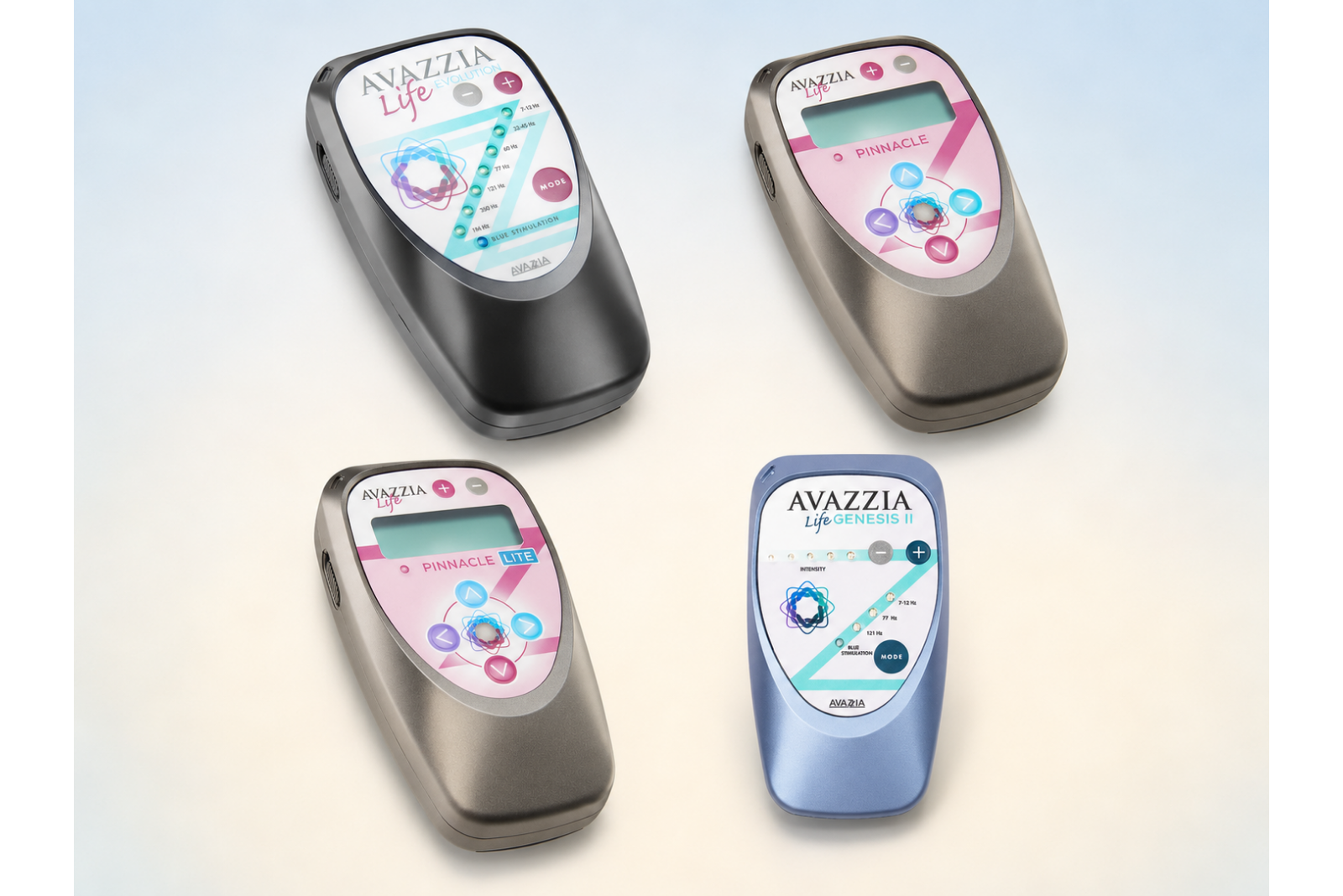
The early signs of healing are often subtle. They may not feel dramatic at first, but they can tell you a lot about how your body is responding.
Here are five gentle shifts to watch for.
-
You start sleeping like you used to
Sleep is one of the first places healing often shows up because it is when the body does some of its deepest repair work. During restorative sleep, the body has a better opportunity to regulate hormones, calm the nervous system, support tissue repair, and recover from the demands of the day.
Maybe you are used to waking at 3 a.m. and staring at the ceiling. Then one morning, you realize you do not remember waking up. You simply slept.
It may not feel significant in the moment, but that kind of sleep matters. Better rest can give your body more capacity to recover, regulate, and respond to the support you are giving it.
This is also why sleep is one of the five interactive elements of The Hache Protocol™. Even a small improvement in sleep can influence how you feel the next day.
-
The constant tension starts to ease
Chronic pain keeps your nervous system on high alert. Think about how it feels to flinch when someone bumps your sore shoulder, or to snap at a small frustration that wouldn’t normally bother you. Then one day, the bump doesn’t make you wince the same way, or you let the small stuff roll off.
That easing of tension is a real signal: your system is stepping back from constant defense and into a calmer state where healing comes most easily. If you’d like to help that shift along, simple mindset practices like gratitude can calm the nervous system, lower stress hormones, and activate the part of your body responsible for rest and repair.
-
Ordinary movements get easier
Stiffness usually loosens before pain fully fades, so the clues often hide in the most routine motions of your day.
Imagine reaching for a mug on the top shelf to realize you didn’t think twice about it. Maybe getting out of the car used to take a slow, careful unfolding, and lately you just… stand up.
Every bit of it is evidence that something is changing.
-
You have a little more to give
Fighting inflammation is exhausting work, and your body pours in huge resources. As that internal battle eases, you may find a bit more left in your tank at the end of the day.
It might look like this: you finish dinner and, instead of collapsing on the couch, you actually feel up to a short walk. Or you say yes to a friend’s invitation you’d have turned down a month ago. When your energy returns, it’s a sign your body is spending less of itself simply coping and more of itself healing.
-
You start to feel like yourself again
Pain wears down your patience and your spirit over time, often so gradually you forget what “normal” felt like. So when your mood lifts, it counts every bit as much as a lower number on the pain scale. You might catch yourself laughing more easily, or feeling hopeful about plans next month instead of dreading them.
A loved one might even notice before you do—“You seem more like you lately.” Those emotional shifts aren’t separate from physical healing. Your mood, your nervous system, and your comfort are tightly linked, so a lift in one gently raises the others. This is exactly why tending to the mental and emotional side of chronic pain matters so much—a body in distress amplifies stress and anxiety, while a calmer mind makes room for the body to settle.
Catch your wins

If progress arrives this gently, the obvious risk is missing it. So here’s one of the most useful recovery tips we can offer: keep a light record of how you feel. What gets noticed gets remembered, and what gets remembered keeps you going. You don’t need anything elaborate. Try this:
- Pick a method you’ll actually use. A line on your wall calendar, a quick note on your phone, a small notebook by the bed; whatever fits your life.
- Capture one thing a day. How you slept, how the morning stiffness compared to last week, and how a routine task felt. A single sentence is plenty.
- Write down the small moments. The walk that didn’t cost you afterward. The stairs felt lighter. The evening you had energy to spare.
- Look back every couple of weeks. Day-to-day, progress is nearly invisible. Across two weeks, the pattern jumps out—and seeing it in writing builds real trust in the process. This little habit pays off most on the hard days. When it feels like nothing is working, your own notes can show you exactly how far you’ve come.
Sometimes that reminder is what keeps you going. If you’d like a gentle structure to build on, a short daily gratitude practice pairs beautifully with this kind of tracking, helping you reframe pain as progress and notice the supportive moments you might otherwise hurry past.
Keep your momentum: small habits that support real healing
If you’ve felt even one of these signs, your body is telling you it’s responding. The best thing you can do now is stay consistent, because steady, repeatable support matters far more than intensity.
The good news is that consistency doesn’t mean overhauling your life overnight. As we often remind our community, holistic healing isn’t all-or-nothing; the most powerful results come from small, doable shifts that actually support your body. Going to bed thirty minutes earlier, adding one anti-inflammatory meal, taking a short walk after dinner, or fitting in a calming microcurrent session before bed. Little by little, those habits stack into reliable, interconnected healing.
You don’t have to do this alone

Here’s something we believe deeply: healing comes more easily in community. Noticing your own small wins is powerful, but sharing them with people who truly understand makes the whole journey lighter. Chronic pain can feel isolating, yet connecting with others who get it offers shared experience, encouragement, and a sense of belonging that genuinely eases the emotional burden. That’s the heart of ongoing support at Pain Free For Life.
When you join the Hache Protocol Essentials, Premium, or Lifetime Membership, you get more than tools. You get guidance from our expert care team, encouragement, and the reassurance of people walking a path that looks a lot like yours. Inside, you’ll find practical training to help you use your device more effectively, real answers to your questions, and more.
Because more often than not, the people who stay consistent are the ones who feel supported, seen, and encouraged along the way.
The bottom line
Recovery from chronic pain rarely arrives in one dramatic moment. It shows up in small wins: deeper sleep, looser tension, easier movement, steadier energy, a brighter mood; usually long before the breakthrough you’re waiting for.
So watch for those subtle shifts. Write them down. Celebrate them. Each one is genuine proof that your body is responding, and healing is underway. Then keep going, lean on the support around you, and trust the process. Your body hasn’t forgotten how to heal, and every small step forward is worth honoring.
Frequently asked questions
How do I know if microcurrent therapy is working?
The earliest signs often appear elsewhere, not at the painful spot. Watch for deeper sleep, a calmer nervous system, easier movement, more energy, and a steadier mood. These subtle shifts are real evidence that your body is responding, and they typically arrive before dramatic pain relief.
How long does it take to see results from microcurrent therapy?
There’s no single timeline, because everyone’s body and situation are different. Many people notice small early changes, like better sleep or less tension, within the first days or weeks, while deeper pain relief tends to build gradually. Consistency matters more than speed.
What are the early signs of chronic pain recovery?
Common early signs include falling asleep more easily, feeling less wound up and reactive, moving with a little more ease, having more energy for daily life, and feeling more hopeful or steady emotionally. These small wins often build on one another over time.
Why hasn’t my pain gone away, even though I feel better in other ways?
Healing from chronic pain works from the foundation up, so improvements in sleep, energy, and nervous system calm often appear before the pain itself fades. Stiffness frequently eases before pain does. Those underlying changes are the groundwork upon which lasting relief is built.
Why is my pain recovery not a straight line?
Recovery zigzags by nature. Good days, harder days, and plateaus are all a normal part of how the body heals. A difficult day doesn’t erase your progress, and plateaus are often periods of quiet rebuilding happening beneath the surface.
How can I track my progress with chronic pain recovery?
Keep a light, low-pressure record of how you feel each day, such as a note on your phone or a line on your calendar. Jot down how you slept, how you moved, or how everyday tasks felt. Reviewing it every couple of weeks helps you spot patterns and stay motivated, especially on harder days.