




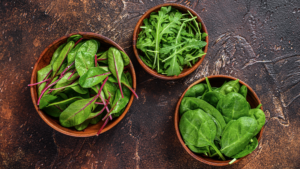
| Overview: spring greens and seasonal recovery
In spring, our energy may begin to return, but it is not always steady. Muscles can still feel stiff after months of reduced movement, and digestion may take time to adjust as routines begin to change. Seasonal transitions often bring a mix of renewed motivation and lingering fatigue as routines shift. Food can play an important role in supporting this shift. Leafy greens are among the most nutrient-dense foods available during this time of year. These vegetables provide minerals, antioxidants, fiber, and plant compounds that support circulation, digestion, and cellular energy. Because they are light, easy to prepare, and widely available in early spring, leafy greens offer one of the simplest ways to refresh daily nutrition after the winter months. Key ideas to keep in mind: “Recovery is rarely about one single change. It is the combination of supportive habits practiced consistently over time.” Spring greens support health in several important ways
|
Why seasonal foods matter for recovery

Across many traditional food cultures, seasonal eating has long been viewed as a practical way to support balance in the body. Systems such as Traditional Chinese Medicine and Ayurveda recognize that nutritional needs shift throughout the year as the environment changes.
During the spring months, meals often begin to transition toward lighter ingredients. Fresh greens, herbs, and vegetables become more prominent, helping the body gradually move away from the richer foods typically eaten during winter. These foods can support digestion and help restore a sense of energy as routines shift with the season.
Seasonal eating also encourages choosing foods that are harvested during their natural growing cycle. Produce picked at the right time of year is often fresher, more flavorful, and nutritionally dense. It also supports local agriculture and can reduce the environmental toll associated with transporting food long distances.
Nutrition is one of the core pillars of The Hache Protocol™ for Pain Resolution, which focuses on five interactive elements:
- Sleep
- Nutrition
- Stress regulation
- Movement
- Microcurrent therapy
If you would like to learn more about this framework, explore Spring Clean Your Health Routine with The Hache Protocol™.
Top 4 health benefits of spring greens

Leafy vegetables support the body in several interconnected ways.
1. Mineral and nutrient support
Many spring greens provide essential minerals such as magnesium, potassium, and calcium.
These nutrients support nerve signaling, muscle function, and cellular repair. Magnesium, in particular, plays a role in mitochondrial energy production, the process by which cells generate ATP.
Magnesium-rich greens such as spinach and Swiss chard may also support nervous system balance, which can influence muscle relaxation, sleep quality, and stress resilience.
If you want to explore cellular energy further, our blog on the Mitochondrial Recharge Protocol explains how supporting ATP production may help reduce fatigue and improve recovery.
2. Circulation and oxygen delivery
Several leafy greens contain naturally occurring nitrates that the body converts into nitric oxide.
Nitric oxide helps blood vessels relax and widen, improving circulation and allowing oxygen to reach tissues more efficiently. Healthy circulation supports muscle recovery, cognitive function, and overall vitality.
Movement also plays an important role in circulation and detox pathways. Our guide How Gentle Movement Supports Detox, Energy, and Pain Recovery explains how gentle daily activity can support these systems.
3. Antioxidant and inflammatory balance
Leafy greens contain vitamin C and plant polyphenols that help protect cells from oxidative stress.
These compounds support the body’s ability to maintain a healthy inflammatory balance and recover from physical or environmental stress.
Nutrition, movement, sleep, and microcurrent therapy all work together to support long-term resilience.
If you are new to microcurrent therapy, our guide Microcurrent Pain Therapy: How It Works explains the fundamentals of this approach.
4. Chlorophyll and circulation
One reason leafy vegetables appear so vibrant is their chlorophyll content.
Chlorophyll is the pigment plants use to capture sunlight and convert it into energy. When we eat green vegetables, we also consume this compound along with a wide range of supportive nutrients.
Chlorophyll-rich foods have long been associated with circulation and oxygen transport. According to the Linus Pauling Institute at Oregon State University, chlorophyll and chlorophyll derivatives have been studied for their potential antioxidant activity and their role in supporting healthy cellular function.
Leafy greens also provide iron, magnesium, folate, and vitamin C, nutrients that contribute to healthy red blood cell formation.
Healthy circulation plays an important role in recovery because oxygen and nutrients must reach tissues efficiently for repair, detoxification, and energy production.
Popular spring greens to include in your meals

Some greens are mild and easy to enjoy raw, while others have stronger flavors that work best when lightly cooked. Rotating different greens throughout the week helps introduce a wider range of minerals, antioxidants, and plant compounds into your meals.
| Spring Green | Key Nutritional Benefits | Simple Recipe Ideas |
| Spinach | Rich in magnesium, folate, iron, and antioxidants that support cellular energy and nervous system balance | Add to soups, blend into smoothies, sauté with garlic and olive oil, mix into scrambled eggs |
| Arugula | Contains glucosinolates associated with liver detox pathways and inflammatory balance | Toss into salads, add to grain bowls, layer onto sandwiches, blend into pesto |
| Swiss chard | High in magnesium, potassium, and vitamin K, which support circulation and bone health | Sauté stems and leaves with olive oil and lemon, and add to stir-fries or soups |
| Parsley | Provides vitamin C, antioxidants, and chlorophyll that support circulation and immune health | Blend into chimichurri or pesto, sprinkle over roasted vegetables, mix into salads |
| Green onions or garlic greens | Contain sulfur compounds associated with circulation and metabolic health | Stir into soups, omelets, stir-fries, or sauces |
Gut health and digestive support from spring greens

Leafy greens support digestion in more ways than one. Beyond their vitamins and minerals, many spring greens play an important role in maintaining a healthy gut environment.
Inside the digestive system lives a complex community of microorganisms known as the gut microbiome. These microbes influence many aspects of health, including metabolism, immune function, inflammatory balance, and energy regulation. Foods rich in fiber and plant compounds help nourish beneficial gut bacteria, supporting a balanced digestive ecosystem.
Many spring greens provide exactly those nutrients. The fiber in leafy vegetables helps move food through the digestive tract efficiently, while naturally occurring plant compounds can encourage the growth of helpful microbes.
Some greens also contain naturally bitter compounds, which contribute to their digestive benefits. While milder greens such as spinach or lettuce are easy to enjoy raw, others (including arugula, mustard greens, and dandelion greens) have a more pronounced bitter flavor.
That bitterness serves a purpose.
Bitter foods stimulate digestive enzymes and bile production, two processes that help the body break down food more effectively and support liver detox pathways. In traditional food cultures, bitter greens have long been valued for supporting digestion and metabolic balance.
For those who are new to stronger-tasting greens, preparation can make a noticeable difference. Simple cooking techniques often soften their flavor and make them easier to enjoy.
- Cooking with olive oil and garlic can mellow the bitterness
- Adding lemon juice or apple cider vinegar brightens the flavor
- Light sautéing helps soften the texture while preserving nutrients
Incorporating a mix of mild and bitter greens throughout the week can provide both nutritional diversity and digestive support, making spring vegetables a simple and practical addition to everyday meals.
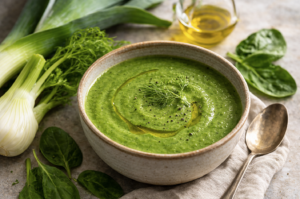
Simple and nourishing: spring green detox soup recipeAfter months of heartier winter dishes, spring often brings a desire for foods that feel bright, simple, and easier to digest. This Spring Green Detox Soup is ideal for those in-between weeks when you want something warm and comforting without feeling heavy. Made with fresh greens and aromatic vegetables, it offers a simple way to support digestion while enjoying the clean flavors of the season.
A simple, nourishing soup that delivers minerals, fiber, and antioxidants while remaining light and easy to digest. Ingredients: 2 leeks, sliced Instruction: Heat olive oil in a pot over medium heat Want more nourishing broth recipes?If you enjoy cooking with healing broths, there are many ways to build on this simple soup. Broths, whether bone-based or plant-based, have been used for centuries as comforting, nutrient-dense foods that support digestion, immunity, and recovery. At Pain Free For Life, broths are often recommended as part of a food-first approach to wellness because they provide minerals, collagen, amino acids, and electrolytes in an easy-to-digest form. For a deeper look at how broths support overall health, and to try a few additional recipes, explore our article: 7 Health-Boosting Benefits of Bone Broth (and 3 Can’t-Miss Recipes) You’ll find several nourishing broth recipes, including traditional bone broth, cleansing vegetable broths, and mineral-rich blends that can easily become part of your weekly routine. |
Frequently asked questions about spring greens and their health benefits
Are leafy greens good for detox?
Leafy vegetables support the body’s natural detox systems by providing fiber, antioxidants, and micronutrients.
Fiber helps the digestive system remove waste efficiently, while antioxidants help protect cells from oxidative stress produced during normal metabolic activity. Worldwide experts encourage regular consumption of vegetables, as plant-rich diets support digestive health, cardiovascular function, and metabolic balance.
While the liver and kidneys perform most detoxification processes in the body, nutrient-dense foods like leafy greens help support these systems so they can function effectively.
Are cooked greens easier to digest than raw greens?
For many people, lightly cooked greens are easier to digest than raw salads. Cooking softens plant fibers and breaks down certain compounds that can make raw vegetables harder for some people to tolerate. Light cooking methods, such as steaming or sautéing, also help release fat-soluble nutrients, such as vitamin K.
Large nutrition studies in Europe have found that both raw and cooked vegetables are associated with positive health outcomes, suggesting that including a variety of preparation methods can be beneficial.
A practical approach is to enjoy both raw and cooked greens throughout the week.
Which greens are best for inflammation support?
Many leafy greens contain antioxidants and plant compounds that help support a healthy inflammatory balance.
Spinach, kale, Swiss chard, parsley, and arugula are rich in nutrients such as vitamin C, vitamin K, magnesium, and polyphenols. These nutrients help protect cells from oxidative stress and support normal immune function.
Rotating a variety of greens throughout the week is often the easiest way to obtain a broader spectrum of beneficial plant compounds.
Continue building your spring wellness routine
Seasonal transitions offer a natural opportunity to refresh daily habits and support the body’s recovery systems.
Leafy greens provide one of the simplest starting points. They are easy to cook, widely available during spring, and packed with nutrients that support circulation, detox pathways, and cellular energy.
When nutrition is combined with supportive habits such as movement, stress regulation, sleep, and microcurrent therapy, small daily actions can gradually build a foundation for long-term wellness.
That philosophy is at the heart of the Pain Free For Life approach to healing and recovery.
If you would like to continue exploring practical strategies to improve energy, reduce inflammation, and support long-term wellness, the Pain Free Living Lab offers a growing library of free educational resources, trainings, and guides to help you take the next step in your wellness journey.
You can also explore additional nutrition insights, lifestyle strategies, and seasonal health articles in Pain Free Living Magazine—subscribe here to get each monthly issue. If you’re looking for support and connection, you can join others on a similar journey inside the Pain Free For Life community support group.
Because lasting health rarely comes from a single change.
It comes from consistent habits practiced over time, and sometimes starting with something as simple as adding some more greens to the next meal.
Sources cited:
Health Canada. Canada’s Food Guide: Healthy Eating Recommendations. https://food-guide.canada.ca/en/healthy-eating-recommendations
Health Canada. Fibre and Healthy Eating.
https://www.canada.ca/en/health-canada/services/nutrients/fibre.html
European Commission Knowledge Gateway. Fruit and Vegetable Intake and Health Outcomes.
https://knowledge4policy.ec.europa.eu/health-promotion-knowledge-gateway/fruit-vegetables_en
Feng, Q. et al. (2022). Raw and Cooked Vegetable Consumption and Risk of Mortality. Frontiers in Nutrition.
https://www.frontiersin.org/articles/10.3389/fnut.2022.831470/full
National Institutes of Health Office of Dietary Supplements. Magnesium Fact Sheet for Health Professionals.
https://ods.od.nih.gov/factsheets/Magnesium-HealthProfessional/
Turnbaugh, P. et al. (2009). A Core Gut Microbiome in Obese and Lean Twins. Nature.
https://www.ncbi.nlm.nih.gov/pubmed/19043404