





| Overview: Meet your treatment coordinator: your partner in healing
Starting any new health routine can feel overwhelming, especially when you’re navigating chronic pain, fatigue, or complex health challenges. Microcurrent therapy offers powerful tools for supporting recovery, but like any technology that interacts with the body’s electrical systems, it comes with a learning curve. That’s where a Treatment Coordinator comes in. At Pain Free For Life, Treatment Coordinators help clients learn how to use microcurrent therapy safely, strategically, and consistently. Their role goes far beyond answering technical questions. Instead, they act as partners, helping translate education into a clear, repeatable healing routine. Key ideas to keep in mind:
|
What is a Microcurrent Treatment Coordinator?
A Treatment Coordinator, or TC, serves as your guide within the Pain Free For Life ecosystem and The Hache Protocol™ for Pain Resolution. Their role is to help translate microcurrent education into practical steps you can follow with confidence.
Microcurrent therapy is a powerful form of energy medicine that supports recovery. But like any technology that interacts with the body’s electrical systems, it can come with a learning curve. Many people begin their journey excited about the possibilities, yet unsure where to start.
Treatment Coordinators help bridge that gap between learning and doing.
Pain Free For Life provides a large library of training videos, protocols, and educational resources. While this information is incredibly valuable, we have heard from our community that it can feel overwhelming when first getting started. Treatment Coordinators help narrow the focus so that instead of trying to absorb everything at once, clients can concentrate on the few treatments that matter most for their situation.
Most importantly, a Treatment Coordinator helps reduce guesswork, not by giving you more to do, but by helping you focus on the right few steps and practice them consistently.
If you’re new to the technology, our guide to microcurrent pain therapy explains how microcurrent therapy works and how it supports recovery.
Watch: How Treatment Coordinators support your healing journey
In the video below, members of the Pain Free For Life team discuss what Treatment Coordinators actually do, how they help clients navigate the learning curve of microcurrent therapy, and why personalized guidance can make the healing process feel more manageable and effective.
Why guidance matters when using microcurrent devices
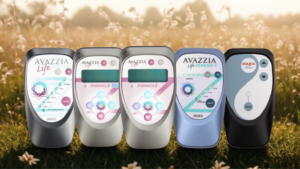
Because this therapy interacts with the body’s electrical signaling systems, several variables influence how treatments are applied, including:
- Treatment placement
- Session length
- Intensity levels
- Accessory selection
- Protocol sequencing
Without guidance, many people experiment with different settings or approaches without fully understanding how they influence the treatment process.
Treatment Coordinators help simplify these decisions so you can move forward with confidence.
For readers considering a home-use device, our 2026 Avazzia Life microcurrent device guide compares available models and explains how to choose the option that best fits your needs.
The four ways a treatment coordinator supports your healing
Treatment Coordinators provide practical support across several key areas, making the learning process easier and the healing routine more repeatable.
1. Clarity and direction
Microcurrent therapy offers many possible protocols. A Treatment Coordinator helps narrow the focus to a clear starting point based on your main goal, sensitivity level, and current capacity.
Instead of experimenting with multiple treatments at once, clients can begin with a smaller number of targeted protocols. This approach reduces confusion and makes it easier to recognize which treatments are helping.
2. Placement and technique support
Because microcurrent therapy works with the body’s electrical communication systems, small adjustments can make a meaningful difference. Treatment Coordinators help troubleshoot electrode placement, positioning, accessories, and power settings so treatments feel comfortable and effective.
Accessories, for example, can significantly influence how precisely and comfortably treatments are applied. Our article Top 5 Microcurrent Accessories Our Team Can’t Live Without highlights several tools the Pain Free For Life team frequently uses, including Dr.Rob’s favorite microcurrent thumb electrode for targeted trigger points!
With the right accessories and placement techniques, microcurrent sessions can be adapted to support stress relief, nervous system balance, pain reduction, and overall recovery.
These details often become easier with practice, but having guidance early on can make the learning process much smoother.
3. Consistency and pacing
Many people naturally adjust their treatments when symptoms improve or fluctuate. While this response is understandable, microcurrent therapy often works best when sessions remain steady and repeatable.
A Treatment Coordinator helps establish a rhythm that supports gradual progress rather than short bursts of treatment followed by long gaps. This consistency is especially helpful for chronic conditions where slow, steady progress tends to produce better long-term results.
4. Coordination when deeper review is needed
Occasionally, questions arise that require additional insight. In those situations, your Treatment Coordinator can help route more complex cases to the appropriate team members, including Dr. Rob Vanbergen and other specialists.
This collaborative approach helps ensure that clients receive guidance when they need it most.
Think of your treatment coordinator like a personal trainer for your healing
When someone joins a gym for the first time, they often work with a personal trainer. The trainer helps them learn how to use the equipment, understand which exercises are most effective, and develop a routine that fits their goals and abilities. Over time, that guidance helps people build confidence, see progress, and break through plateaus. A Treatment Coordinator plays a similar role in the microcurrent healing journey. As your confidence grows, many clients eventually feel comfortable continuing their routines independently. Some even choose to deepen their knowledge further. For those interested in studying the science and practice of microcurrent therapy professionally, The Sana Institute offers the Certified Pain Resolution Specialist™ (CPRS) program, which trains practitioners in the same foundational principles used throughout the Pain Free For Life ecosystem.
|


Common microcurrent therapy mistakes
Many clients are eager to begin treatment as soon as their device arrives.
The good news is that getting started is usually simpler than people expect. All Avazzia Life microcurrent devices sold through The Sana Shop come ready to use out of the box, with a built-in electrode on the back. This allows users to begin basic treatments immediately while they learn more advanced techniques and protocols.
Some of the most common early mistakes include:
- Jumping between multiple protocols too quickly
- Abandoning treatments when results are not immediate
- Overlooking the importance of daily consistency
Microcurrent therapy typically works best when sessions are short, consistent, and repeatable. Small, steady treatments allow the body to adapt gradually while maintaining clear feedback about what is helping.
Our article Daily Microcurrent Therapy: Why Consistency Matters More Than Perfection explains why regular, manageable sessions often produce better outcomes than occasional longer treatments.
Building a healing routine that works in real life

Recovery rarely happens through a single intervention. Most successful healing journeys involve a combination of supportive habits and therapies that work together over time.
Within the Pain Free For Life, this integrated approach is known as The Hache Protocol™ for Pain Resolution. Rather than focusing on just one factor, the protocol emphasizes five interactive elements that support the body’s natural healing systems and terrain:
- Sleep
- Nutrition
- Stress regulation
- Movement
- Microcurrent therapy
Together, these elements help create an environment where the body can repair tissues, regulate inflammation, and restore healthy energy production.
Movement, for example, plays an essential role in circulation and mitochondrial health. Our recent article Move, Flow, Heal: How Gentle Movement Supports Detox, Energy, and Pain Recovery explores how gentle physical activity can activate detox pathways and support cellular energy.
Environmental stressors can also influence nervous system balance and recovery. Our guide Why EMF Protection Matters: Your Guide to Floww Products explains how reducing electromagnetic exposure may help support overall wellness.
When these elements are practiced together in a consistent, manageable way, they help build a healing routine that works not just in theory but in everyday life.
Frequently asked questions about Treatment Coordinators and microcurrent therapy
What does a Treatment Coordinator do?
At Pain Free For Life, a Treatment Coordinator guides clients through the safe, effective use of microcurrent therapy. They assist with protocol selection, treatment pacing, electrode placement, and troubleshooting to help clients build a repeatable healing routine.
Do I need a Treatment Coordinator to use a microcurrent device?
Microcurrent devices can be used independently, but guidance often helps people achieve better results. Treatment Coordinators simplify the learning process and help clients avoid common mistakes when beginning therapy.
How often should microcurrent therapy be used?
Many people see the best results with short, consistent sessions rather than occasional long treatments.
Are Avazzia Life microcurrent devices difficult to learn?
Most Avazzia Life microcurrent devices are designed to be beginner-friendly. Devices purchased through TheSanaShop.com come ready to use out of the box and include a built-in electrode so you can begin basic treatments immediately.
How does microcurrent therapy support healing?
Microcurrent therapy delivers very low electrical signals that mimic the body’s natural bioelectric communication. These signals may help support cellular repair, reduce inflammation, improve circulation, and encourage ATP production.
You’re not meant to figure this out alone
Chronic pain and long-term health challenges can train people to second-guess every decision they make about their health.
Treatment Coordinators exist to remove that uncertainty.
Their mission is simple: help clients use their microcurrent devices confidently, safely, and effectively while building a plan that feels realistic in everyday life.
Healing rarely happens overnight, but when the routine becomes clear, the process becomes much easier to follow.
Support, consistency, and patience often make the difference between frustration and progress.
And with the right guidance, many people discover that the path toward recovery becomes much easier to navigate.
Sources cited:
Agency for Healthcare Research and Quality – Care Coordination
https://www.ahrq.gov/ncepcr/care/coordination.html