





| Overview: Renew and Recharge: Gentle Detox Strategies for Vibrant Spring Health
Spring is a natural season for renewal. After months of colder weather, shorter days, and often heavier foods, many people feel ready to refresh their routines and support the body’s natural detox systems. This guide offers gentle detox strategies, targeted nutrition tips, and practical ways to support energy and cellular health throughout the season. Key points:
|
While the body detoxifies naturally every day, seasonal transitions can sometimes place additional stress on energy and recovery systems. After months of reduced sunlight, less movement, and heavier foods, it’s common to feel slightly sluggish or out of balance.
Spring provides a natural opportunity to reset supportive habits that help the body recharge, improve circulation, and restore cellular energy.
This updated 2026 guide builds on our reader favorite article, “Spring Clean Your Health Routine with The Hache Protocol.™”
Signs your body may need a spring reset

Is your partner waking up bright-eyed and bushy-tailed, while you still feel like you’re carrying the heaviness of winter?
After the slower pace of the colder months, many people notice changes in their energy levels or overall vitality. These shifts can sometimes signal that the body would benefit from gentle detox and attention to cellular energy.
Common signs may include:
- Persistent fatigue
- Brain fog or difficulty concentrating
- Slower recovery after activity
- Muscle soreness or stiffness
- Feeling sluggish throughout the day
These symptoms are not unusual. Often, they simply reflect the body adjusting to seasonal changes and environmental stressors.
Supporting the body’s natural detox systems
The body already has powerful detoxification systems working around the clock. The liver filters toxins from the bloodstream, the kidneys remove waste through urine, and the lymphatic system helps transport cellular debris away from tissues.
Medical experts note that the liver performs more than 500 essential functions, including detoxification, metabolism regulation, and nutrient processing. Supporting liver health, therefore, plays a central role in overall wellness.
Rather than relying on restrictive cleanses, most health professionals recommend supporting detox through consistent lifestyle habits.
Daily habits that support detox systems include:
- Drinking water, herbal tea, and homemade electrolyte drinks throughout the day
- Incorporating gentle daily movement
- Prioritizing restorative sleep
- Eating nutrient-dense whole foods
- Spending time outdoors in natural light
These simple strategies help create the internal conditions the body needs to maintain healthy detox processes.
Watch: Dr.Rob’s gentle detox tips
The short video below explains practical ways to support the body’s detox systems, including using an infrared sauna and gentle movement that stimulates the lymphatic system.
These strategies help activate natural detox pathways while improving circulation and cellular recovery.
Boosting energy through mitochondrial recharge
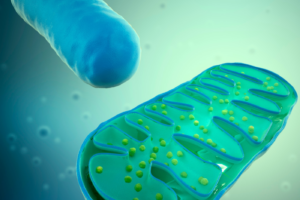
Energy production begins inside your cells. Tiny structures called mitochondria act as the body’s power plants, converting nutrients into the energy required for movement, healing, and cellular repair.
When mitochondrial function declines, people often notice fatigue, slower recovery after activity, muscle soreness, or difficulty concentrating. This happens because cells are no longer producing energy as efficiently as they should.
Supporting mitochondrial health can help restore energy production and improve resilience.
Within the Hache Protocol™ approach, this looks like performing the Mitochondrial Recharge Protocol. The protocol focuses on supporting cellular energy production through practical daily habits and therapies that help improve circulation, reduce inflammation, and encourage healthy mitochondrial function.
Natural ways to support mitochondrial health
Supporting mitochondrial health often comes down to small, consistent habits. Many of the strategies used in The Hache Protocol for Pain Resolution™ focus on improving cellular energy through everyday lifestyle choices.
| Strategy | How It Supports Cellular Energy | Examples |
| Nutrient-dense foods | Antioxidants and healthy fats protect mitochondria from oxidative stress and support ATP production | Berries, leafy greens, olive oil, nuts, fatty fish |
| Gentle movement | Physical activity increases oxygen delivery to tissues and stimulates mitochondrial growth | Walking, stretching, and light resistance training |
| Quality sleep | Mitochondria repair and regenerate during deep sleep cycles | Consistent bedtime, limiting evening screen exposure |
| Stress regulation | Chronic stress drains cellular energy and increases inflammation | Deep breathing, time outdoors, mindfulness practices |
| Microcurrent therapy | Low-level electrical stimulation may support cellular communication and ATP production | Microcurrent protocols as part of The Hache Protocol™ |
These strategies work best when practiced consistently. Rather than focusing on a single intervention, supporting mitochondrial health typically involves a combination of nutrition, movement, sleep, and stress management.
You can learn more about microcurrent’s role in supporting recovery and cellular energy in our guide, Discover Microcurrent Pain Therapy for Chronic Pain Relief.
Or, watch the short training video below for a quick introduction to the Mitochondrial Recharge Protocol.
Supporting liver health and recovery
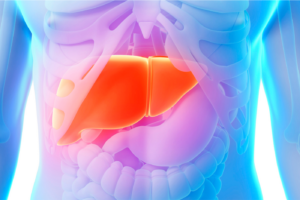
As we mentioned, the liver plays a central role in detoxification, metabolism, and the regulation of inflammation. Supporting liver health through nutrition and lifestyle habits helps the body process toxins more efficiently and maintain balanced energy levels.
Research suggests that nutrient-dense whole foods rich in fiber, antioxidants, and healthy fats can help support liver function while reducing inflammation and oxidative stress.
Nutrients to support liver health
Here are some ideas on how to get started…
| Nutrient or Compound | How It Supports Liver Health | Example Foods |
| B vitamins | Support metabolic pathways that help the liver process nutrients and toxins | Whole grains, leafy greens, eggs |
| Magnesium | Supports detox enzyme activity and cellular energy production | Pumpkin seeds, almonds, spinach |
| Polyphenols | Protect liver cells from oxidative stress and inflammation | Berries, pomegranates, green tea |
| Omega-3 fatty acids | Help reduce inflammation and support healthy fat metabolism | Salmon, sardines, walnuts |
| Cruciferous compounds | Stimulate detox enzymes in the liver | Broccoli, Brussels sprouts, cabbage |
| Monounsaturated fats | Support lipid metabolism and help reduce liver fat buildup | Avocados, olive oil, nuts |
Reducing highly processed foods, excess sugar, and alcohol can also help lower the liver’s workload and allow detox systems to function more efficiently.
Reducing highly processed foods, excess sugar, and alcohol can also help lower the liver’s workload and allow detox systems to function more efficiently.
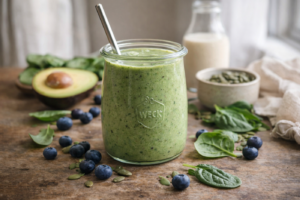
One simple way to incorporate several of these nutrients into your daily routine is through a nutrient-dense smoothie. The recipe below combines leafy greens, antioxidant-rich berries, and healthy fats to help support liver detox pathways and cellular energy production.
Simple spring detox green smoothie recipe
This smoothie includes ingredients that provide magnesium, polyphenols, and healthy fats; nutrients that support liver function and help protect cells from oxidative stress. Ingredients:
Instructions:
This simple smoothie provides a combination of antioxidants, minerals, and healthy fats that help support the body’s natural detox systems while contributing to steady cellular energy throughout the day. |
Spring offers a natural opportunity to pause, reset, and refresh daily habits that support energy and recovery. Simple changes, like adding a daily green detox smoothie or choosing anti-inflammatory options, such as grass-fed beef or lamb, can support the body’s natural detox pathways.
Whether you focus on improving sleep routines, adding nutrient-rich foods to your diet, increasing movement, or incorporating supportive therapies like microcurrent, small changes practiced consistently can lead to meaningful improvements over time.
Frequently asked questions about gentle detox and cellular energy
Do I need a strict detox program?
Most Doctors and experts agree that the body already has powerful detox systems. Supporting these systems with hydration, sleep, nutrition, and movement is often more effective than restrictive detox programs.
How does mitochondrial health affect energy levels?
Mitochondria produce ATP, the primary energy currency of cells. When mitochondrial function declines, the body may struggle to produce enough energy for recovery and daily activity.
Can microcurrent therapy help with fatigue?
Microcurrent therapy may help support cellular communication and energy production. Many people use it as part of a broader wellness approach that includes nutrition, movement, and stress regulation.
How does EMF exposure relate to overall wellness?
Environmental stressors such as electromagnetic fields can influence sleep quality and nervous system balance. You can learn more in our article Why EMF Protection Matters: Your Guide to Floww Products.
Continue your learning in the Pain Free Living Lab
If you would like to explore these concepts further, the Pain Free Living Lab offers free trainings, special reports, and educational resources on topics such as microcurrent therapy, inflammation, detox support, and cellular energy.
Inside the Lab, you can learn more about how the principles of The Hache Protocol™ work together to support long-term wellness and recovery.
We hope to see you there!
Sources cited:
Johns Hopkins Medicine. Detoxing Your Liver: Fact Versus Fiction:
https://www.hopkinsmedicine.org/health/wellness-and-prevention/detoxing-your-liver-fact-versus-fiction
Prevention Magazine. 12 Foods for Liver Health to Add to Your Menu, According to Dietitians:
https://www.prevention.com/food-nutrition/a45814360/foods-for-liver-health/
National Library of Medicine (PMC).Mitochondrial Function and Energy Metabolism Research:
https://pmc.ncbi.nlm.nih.gov/articles/PMC10459677/